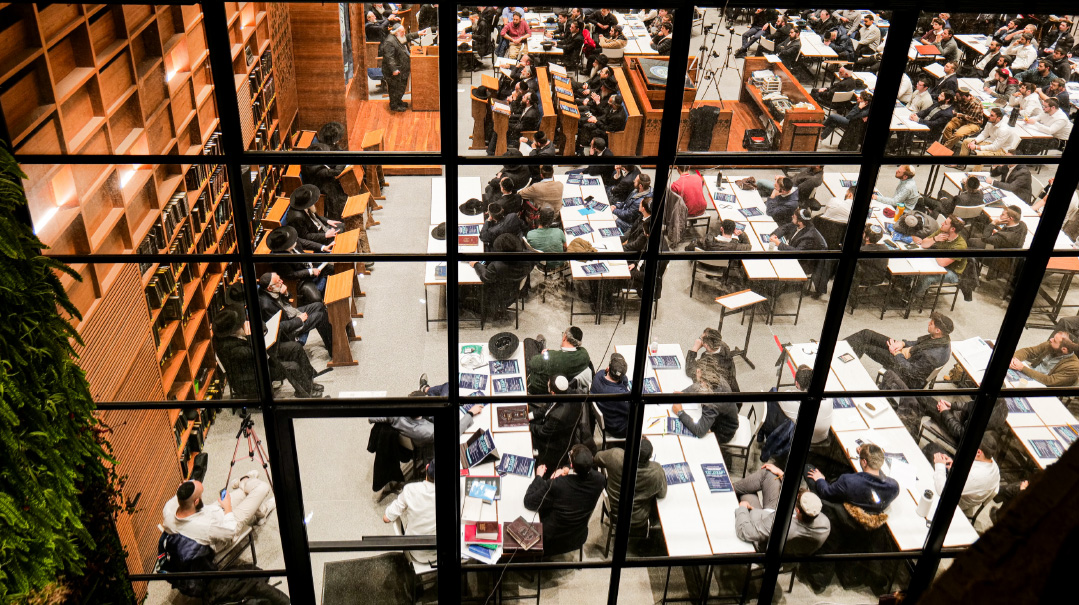
At one o’clock, my father’s talmidim line up outside the house, while we hastily swallow most of the seudah. When they become an entire legion, they give a short rap at the front door, race inside, fill up the dining room. They start to sing, voices rising higher, higher. Sometimes, they grow quiet and my father’s voice can be heard, telling stories, darshening, cracking jokes. A ripple of laughter. Another spurt of song. Fifty pairs of polished black brogues pound on our hardwood floor, so hard that the chandelier rocks from side to side.
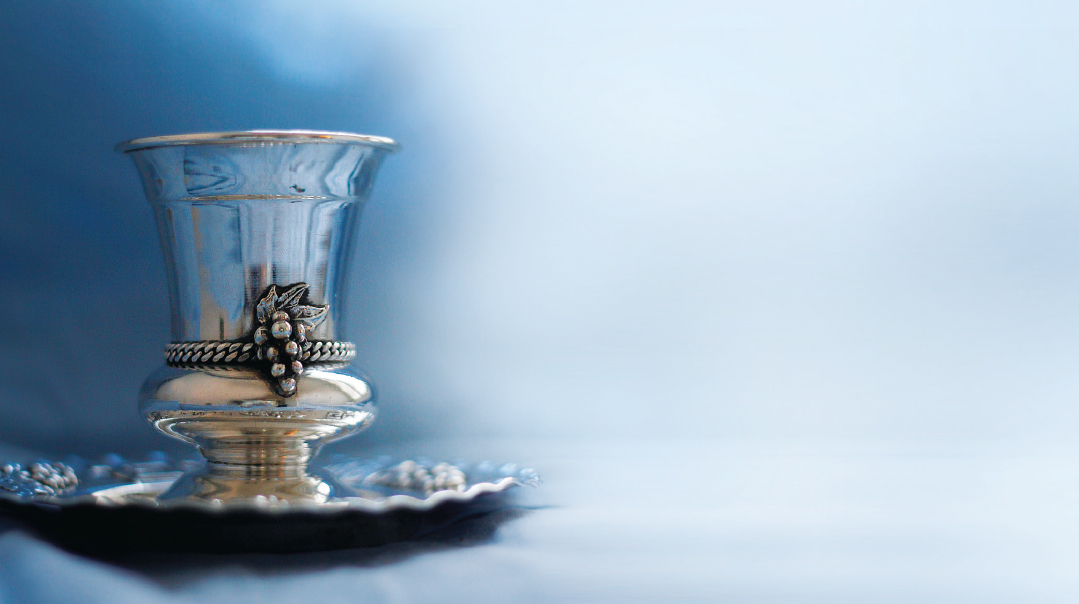
Now they leave, a train of boys running down the garden path, some dawdling either for attention or because the wine has slowed their legs. When all is quiet and we take over our dining room again, the table is littered with used plastic cups, some completely drained of the last drops of alcohol, others discarded halfway through.
Near the head of the table is a sea of envelopes delivering appreciation and checks. All over the room — on the couch, chairs, atop the breakfront — are mishloach manos of every shape and size. There’s the big one, communally organized by the class macher, and all the smaller ones dedicated mothers have painstakingly put together. Later we’ll spend a good portion of the evening organizing the snacks into designated bags: the chocolates into a large shopping bag, the candy into a glass container, the baked items in the freezer. They’ll carry the family through the lulls in Pesach cleaning over the next month.
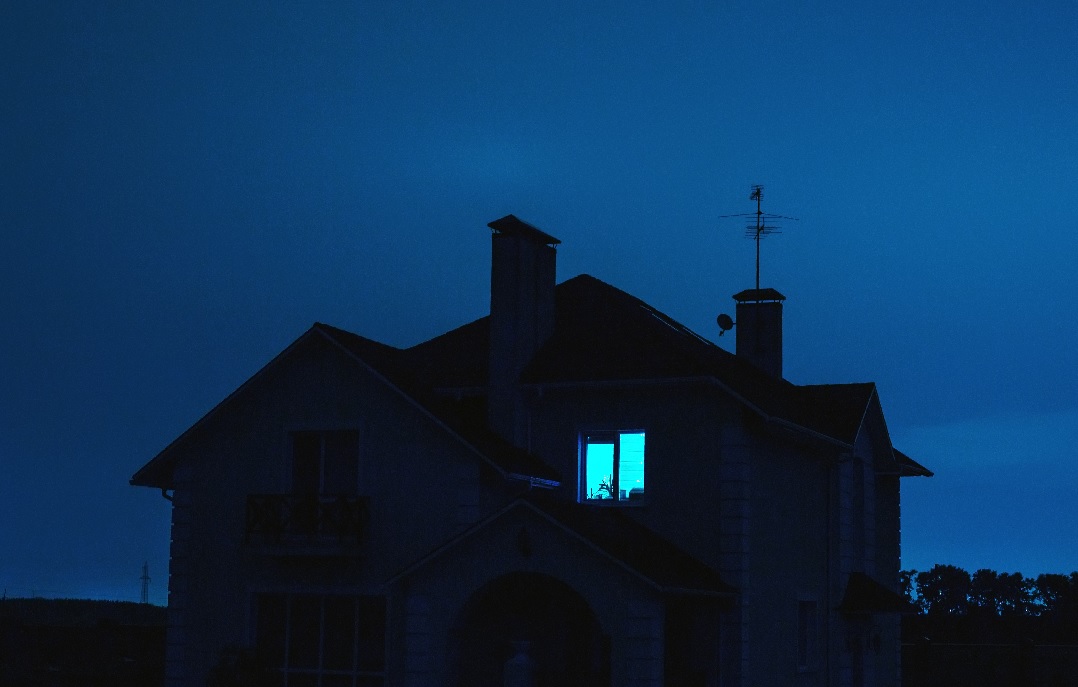
We don’t have quiet for long. Though the first wave is gone, the second will quickly follow: students from last year and ten years ago, and families, and other people who stop by to drink together and dance. So we eat fast and clear away the plates in time for the next invasion. As I wait for the second round, I throw open the bay window and breathe in the crisp air.
Create a free account to keep reading.