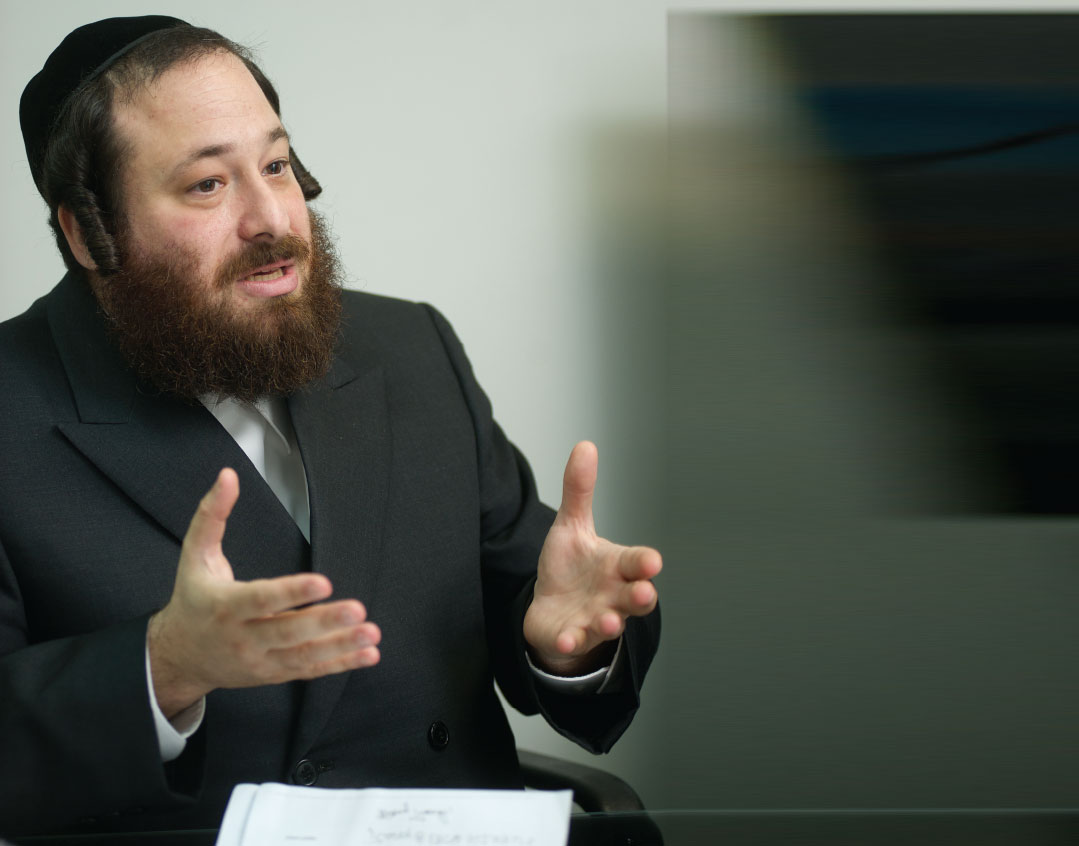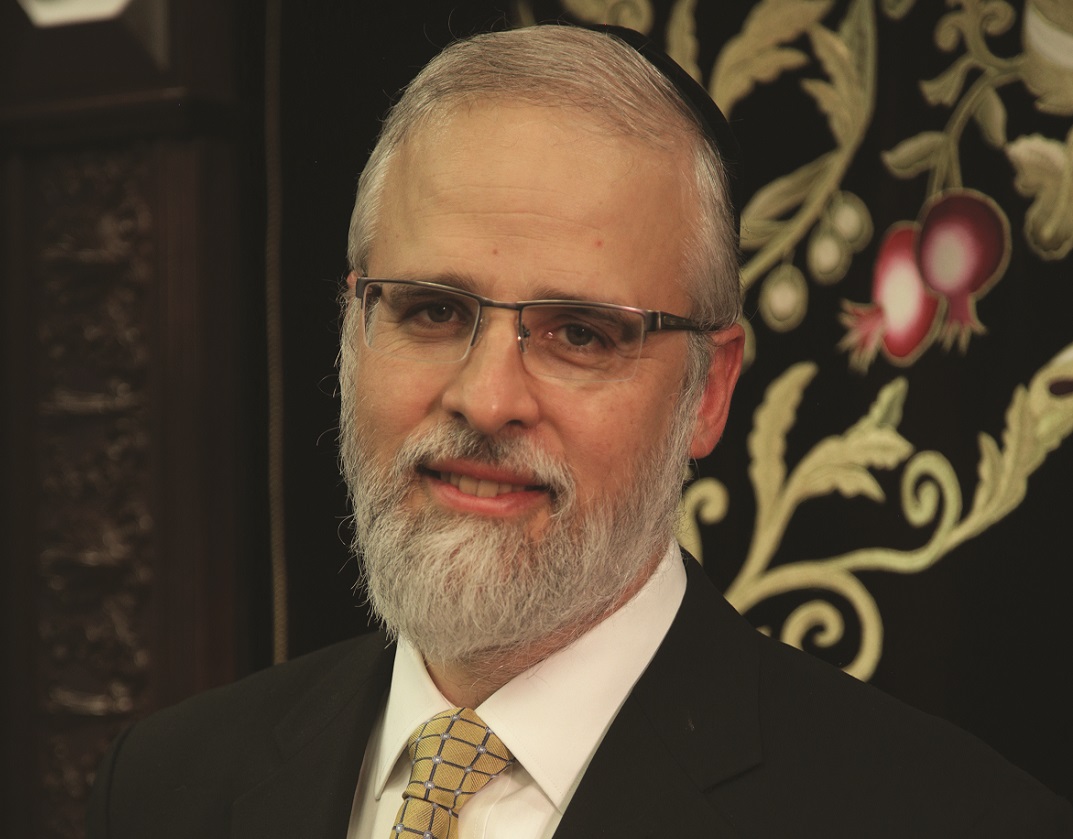
In an opinion piece in the Jewish Week the three co-authors of the recent study ofNew York’s Jewish population cheerfully report on why their findings are so promising:
Much has been written about the somewhat surprising results from the “Jewish Community Study of New York: 2011.” Probably the most noted developments were the explosive growth of the haredim the sharp surge in poverty and the increasing number of non-denominational Jews.…But…we were most struck by the incredible — and expanding — diversity of New York Jewry in so many dimensions.… This diversity is healthy. It makes this community stronger and more interesting. It provides individuals with multiple stimuli and options for Jewish living.…
Along with all this diversity in age ideology national origin culture and social class comes diversity in approaches to life Jewish life and Jewish engagement.… To some the sheer diversity translates into polarization and disunity. To us the diversity poses a remarkable opportunity: to enhance personal and communal creativity to build patterns of mutual enrichment to celebrate difference while building bridges across difference. Ultimately we can develop a new model of Jewish collectivity that celebrates diversity while seeking integration
It’s got all the stock buzzwords: “multiple stimuli and options for Jewish living” “building bridges across difference” “new model of Jewish collectivity.” Welcome to the oh-so-predictable sociology-speak that reigns supreme in secular-JewishAmerica. One has to assume that the newspaper’s proofreader could easily have switched a couple of these phrases — substituting say “multiple options for a new Jewish collectivity” and “new model for Jewish living” – without even the authors themselves noticing. The irony is that the very way they discuss their study’s findings — using the tortured antiseptic hyper-intellectual verbiage that puts everyone but themselves to sleep — and the ossified approach to Jewish living that it symbolizes goes a long way toward explaining the hemorrhaging of non-Orthodox life depicted in their study.
Create a free account to keep reading.