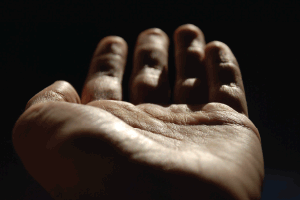
He speaks the American Yiddish-English mix I’ve gotten used to and it sounds like he’s very worried about his children and stressed out about parnassah. He comes across as a severe person probably not the easiest father. I take his hand and look studying the lines the mounts and markings that crisscross his palm. As I suspected he has a difficult personality. “Your wife is easygoing?” I say part question part statement. His eyes fly open. “How do you know? She’s too easygoing in my opinion too tolerant with the children. I can’t believe you saw that.” This is how we help people. It’s not about you that was the first thing my grandmother told me after Zeide agreed to teach me. It’s about the Ribbono shel Olam. Yes you might see things be aware of certain realities — middos events destiny — but your job isn’t to be a fortune-teller. Your role is to push the people who come to you toward tefillah toward changing their middos. It’s not just a parnassah.
To read the rest of this story please buy this issue of Mishpacha or sign up for a weekly subscription