Much about the newest iteration of Bibi is new. The most notable change is his attitude toward issues of religion and state
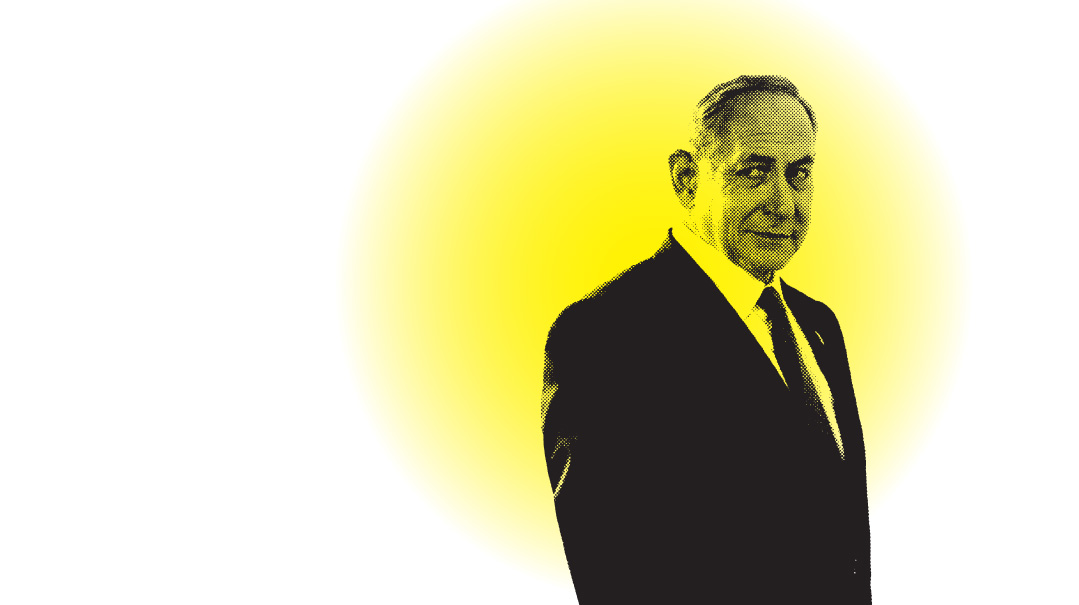
“How do you live with the chareidi love for the secular Netanyahu? As someone who’s known him since the ’90s, has something changed?” I asked Shas chairman Aryeh Deri, one of the big winners of the Israeli election last week.
“Today when he talks about the importance of the Torah world and a Jewish state, I believe him,” Deri replied. “Because the gap between him and Lapid is vast. Lapid is trying to create a new version of Judaism, an empty, ignorant Judaism with Reform affinities and a ridiculous display of tefillin on Yom Kippur. Bibi may not be shomer mitzvos, but the Judaism that he knows and respects is our Judaism.”
It’s hard to say that this has always been the case. Just five years ago, Netanyahu originated the infamous Kosel compromise, and was suspected by the chareidim of trying to pander to his Reform friends in the US. These suspicions have been dispelled as Netanyahu has grown increasingly closer to the religious tribe and ditched his ties with the Reform communities, who have gone on to join the bloc that has made his ouster the be-all-and-end-all of Israeli politics.
Cynics will say that Netanyahu was and will remain completely secular, and as a master strategist who can tell where the political winds are blowing, his voter outreach has simply become more sophisticated over the years.
Create a free account to keep reading.