Because of communication barriers, many deaf Jews feel isolated from the frum community — and, by extension, from frumkeit itself. Meet the people who are trying to reverse the trend.
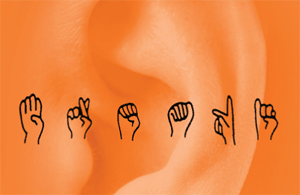
“When I was growing up it was very rare to put a child with hearing loss in a mainstream class. I felt like I was the only deaf person in the world” recalls Rebbetzin Libbi Kakon who was raised in Williamsburg and Flatbush.
Instead of using sign language Rebbetzin Kakon was taught from a young age how to lip-read and speak. Despite her hearing limitations she is now able to use a phone provided that the person on the other end of the line enunciates every word clearly.
Although Rebbetzin Kakon was always aware that she was different she was completely integrated into mainstream frum society. She only discovered later that most hard-of-hearing Jews aren’t so fortunate: “Over the years especially after I got married I found out through my husband (who is also hearing impaired) that there’s a whole deaf Jewish community out there that’s removed from the frum community. It’s devastating.”
Even when deaf people are active members of a shul they can still feel like outsiders. “I think my parents saw themselves more as part of the larger Jewish deaf community than as part of the local Orthodox community. They never really had close friends in the frum community since the communication barrier prevented them from forming deep relationships” says Ephraim K. the son of two deaf parents who grew up in the New York area. For social activities and support his parents always turned to their deaf friends. “The Jewish deaf community is very close-knit. They show up to every simchah and every event.”
Create a free account to keep reading.