Keir Starmer looks set to enter Downing Street — is his party de-Corbynized?
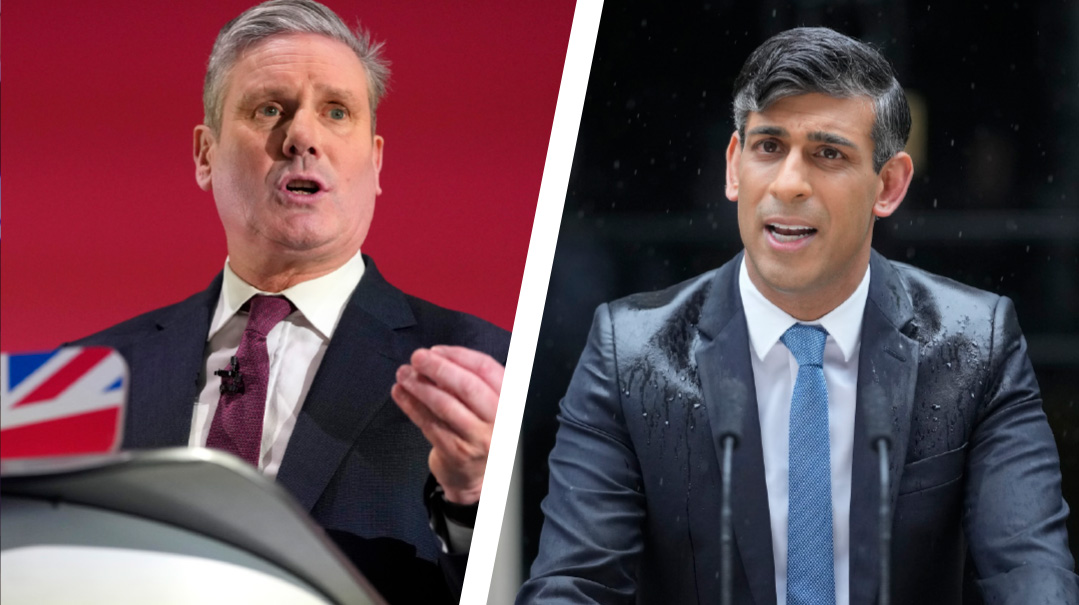
The picture is unrecognizable from 2019, when Boris Johnson led the Tories to a landslide victory, defeating hard-left Labour leader Jeremy Corbyn, and promising to deliver Brexit. Boris fell on the sword of party mismanagement and self-inflicted scandals, to be replaced by the disastrous and short-lived Liz Truss. Panicking Conservative MPs installed Rishi Sunak to steady the ship, but their poll ratings continued southwards, and they now trail Labour by 27 points, according to YouGov.
Under the more moderate Keir Starmer, Labour have moved to the center on policy, removed Corbynites from influential positions, and look poised to capitalize on an overwhelming sentiment that it’s time for a change after 14 years of Conservative government and five prime ministers. But has Labour done enough to reassure voters, particularly in areas like anti-Semitism, defense, and the economy?
They need the largest swing in the party’s century-old history just to get a majority of one. Their 10.2% swing in 1997 overturned a ten-seat majority and gifted them a landslide; this year they need a 12.7% swing to overturn the Conservatives’ 45-seat majority. A Labour victory would be the largest electoral upset since 1945. A Conservative victory, a vanishingly unlikely prospect, would take them into an unprecedented fifth term. Here are six things to know about the upcoming contest.
Boris Johnson’s electoral coalition in 2019 was united in its desire to see Brexit delivered after years of deadlock and Jeremy Corbyn defeated. Now, with Brexit a non-issue and Corbyn no longer even a Labour MP, both ends of their coalition have become disaffected with the Tories.
Create a free account to keep reading.