There’s a candle, people gather, there are speeches, perhaps refreshments or even a full meal. Yes, all the elements of an event

“What’s a yahrtzeit?” asked my granddaughter’s seven-year-old playmate.
“Oh,” replied my worldly granddaughter, “it’s a birthday party for someone who is dead.” From her perspective, it was a perfectly logical explanation. There’s a candle, people gather, there are speeches, perhaps refreshments or even a full meal. Yes, all the elements of an event, except that the guest of honor is not present… at least not in earthly form.
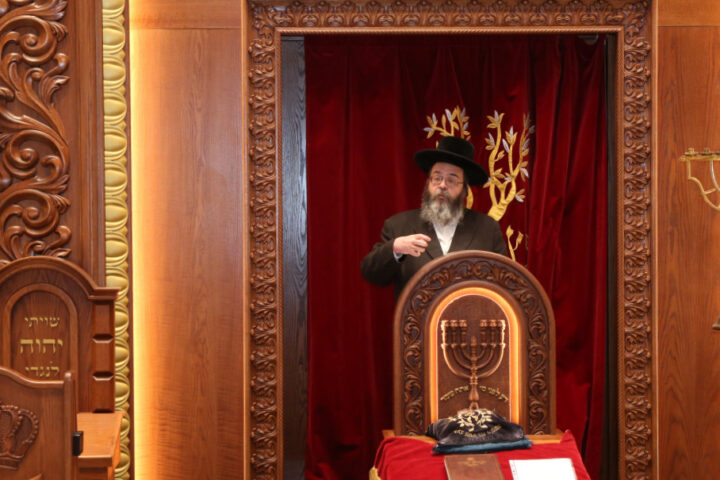
Our job is to remember and recognize the date when that special neshamah left this world. I must admit that in some small way (okay, maybe not so small) I envied my husband’s options for recognizing his parents’ yahrtzeits. The Shabbos beforehand, he’d daven from the amud. On the yahrtzeit, he would fast and daven for the tzibbur, and then we’d drive out to the beis hakevaros where his parents are interred. In the evening, he’d make a siyum at our home or at a nearby shul.
But even yahrtzeits need mazel. My parent’s kevarim are near my childhood home, outside Detroit. My father left us three days before Pesach, when trips to the Midwest are not a real possibility. My mother passed away in mid-January, when such trips are not recommended. My recognition of my parents’ yahrtzeits was therefore limited to a 24-hour candle in a little metal can that sat on our marble mantel. My husband did try to daven from the amud, but if there were men who had yahrtzeit of a parent, their chiyuv took precedence. I understood that, but I still felt that I was failing to give my parents’ neshamos adequate recognition.
Create a free account to keep reading.