"If you kill somebody you kill them once as punishment, and he’s forgiven. In prison, you kill them every single minute of the day"

M
enashe Levy’s first call upon landing in Ben-Gurion Airport was the same call made by many other newly freed people — a thank-you and update to the Aleph Institute, an organization started three decades ago to advocate for prisoners.
Aleph Institute was founded by Rabbi Sholom Lipskar at the behest of the Lubavitcher Rebbe in 1981, and he has directed its operations ever since. During those decades, the organization has greatly expanded its prison advocacy and added a military program. Today Rabbi Lipskar’s nephew, Aaron Lipskar, serves as executive director, Mendy Katz is in charge of programming, and Zvi Boyarsky is on top of advocacy. Shua Brook, who manages the family services directory, works with children and families of prisoners.
One major milestone for the group came in the waning days of 2017, when President Donald Trump got behind an initiative that germinated in 2009 and snowballed into what was once thought to be shoo-in legislation for the Obama administration. That didn’t happen, but Trump signed the First Step Act into law, giving elderly and remorseful prisoners a pathway to freedom.
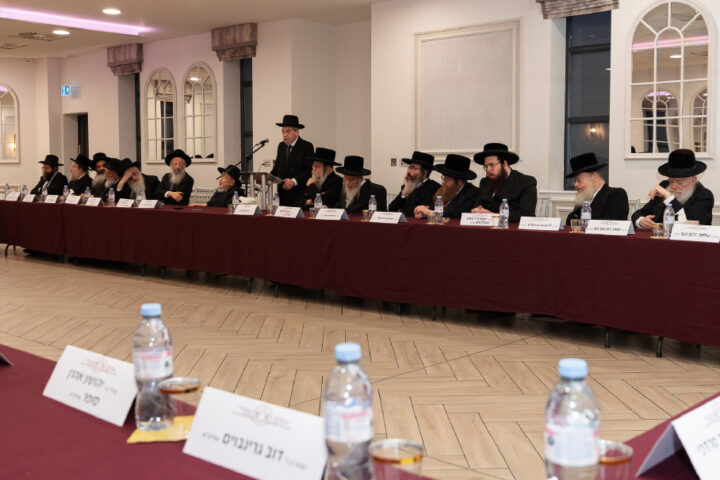
A conference held last month at Columbia Law School in Manhattan was part celebratory and part galvanizing for the next step — the Second Step, if you will. It was also an opportunity for Rabbi Sholom Lipskar to reflect on what’s been accomplished, and what remains to be done.
Create a free account to keep reading.