From shadowy terrorist cells to lone wolves on the prowl, counter terrorist expert Fred Burton has seen them all, captured some, and has seen many of them come and go, in a career that has spanned the last 30 years. In this wide-ranging, exclusive interview, Burton separates fact from fantasy and shares his astute assessment of the strengths and weaknesses of America’s approach to fighting terror.
 The assassination of Osama bin Laden on May 1 after years of frustrating and painstaking pursuit focused world attention not only on the US Navy SEALs the elite maritime commando squad within the US Special Operations Command that carried out this covert operation but also on an array of counterterrorism measures employed in his pursuit.
These measures included stealth helicopters so sophisticated that they were able to elude Pakistani air defenses while operating mere miles from Pakistan’s military academy as well as the tracking down and surveillance of a key bin Laden courier whose identity was supposedly ascertained through controversial interrogation techniques.
Indeed what surfaced were diffuse structures supporting what have often been referred to as “shadow wars.” In these wars terrorist and counterterrorist are pitted against each other often in mortal combat. Simply stated the terrorist’s goal is to wreak as much havoc and death upon innocent civilians as possible while the counterterrorist’s goal is to prevent that from happening.
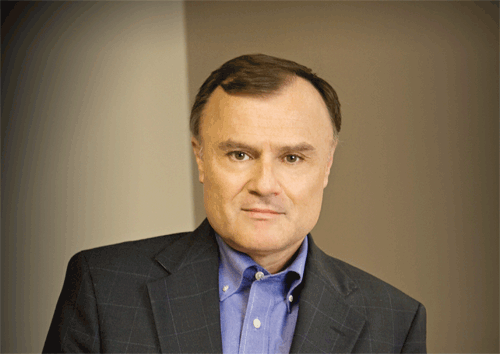
Fred Burton fifty-three a leading expert on international terrorist organizations has been a “counterterrorist” his entire professional life. He is currently vice president of counterterrorism and corporate security for Strategic Forecasting Inc. (Stratfor) — a private global intelligence agency once described by Barron’s business journal as the “shadow CIA.”
Create a free account to keep reading.