Chareidi cities bear the brunt as second wave soars
Sunday this week was a tense day for chareidi representatives. The end of last week saw a surge in new coronavirus cases, with the number of positive tests topping a record 3,000 last Wednesday and only dropping slightly thereafter. Many of those newly diagnosed are residents of chareidi or Arab neighborhoods. Concurrently, the number of deaths attributed to the virus crossed the 1,000 mark, leading to concern in the Israeli health establishment that the epidemic is spiraling out of control.
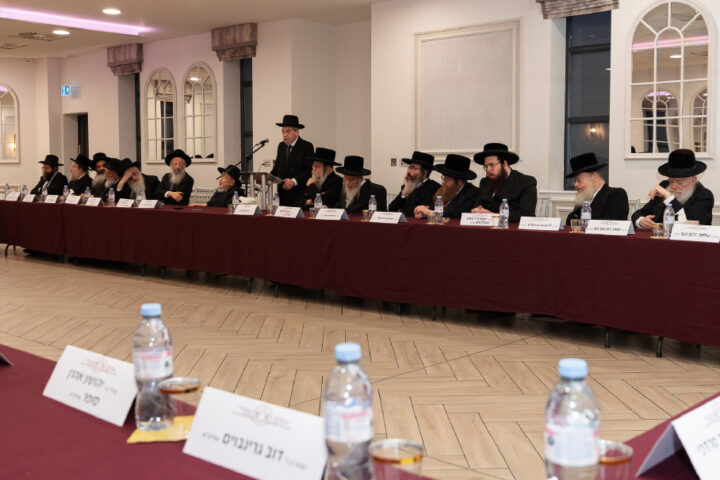
On Motzaei Shabbos, a virtual meeting was held between the man responsible for containing the spread of the coronavirus in the chareidi community, Roni Numa, and the mayors of the chareidi towns of Bnei Brak, Elad, Beitar, and Emmanuel, to discuss the rising infection rate in their localities. To their astonishment, the mayors realized in the course of the conversation that what they had thought was a routine update was in fact an interrogation regarding the measures they were taking to stem contagion, and that their responses would be key factors used to determine whether or not to impose a lockdown in their cities. The standard of revolt was raised by Bnei Brak mayor Avraham Rubinstein, who decried the lack of genuine dialogue. Following his lead, the other mayors cut short the meeting, not before voicing harsh criticism of the government and its coronavirus project manager, Prof. Ronni Gamzu. Elad mayor Yisrael Porush told Numa: “Gamzu sent you to double-cross us. If this was how prime ministers conducted hearings, they’d find themselves in jail.”
Sunday morning found the chareidi mayors angry and disappointed over the decision taking shape. During the day Netanyahu held consultations with Interior Minister Aryeh Deri and Prof. Gamzu, as well as the head of the Knesset’s judiciary committee, MK Yaakov Asher (UTJ). No one disputed that measures were necessary to block the high rate of morbidity, but given the highly damaging consequences of lockdown, localized restrictions were suggested instead, to be imposed in close coordination with each mayor and tailored to the needs of the specific communities.
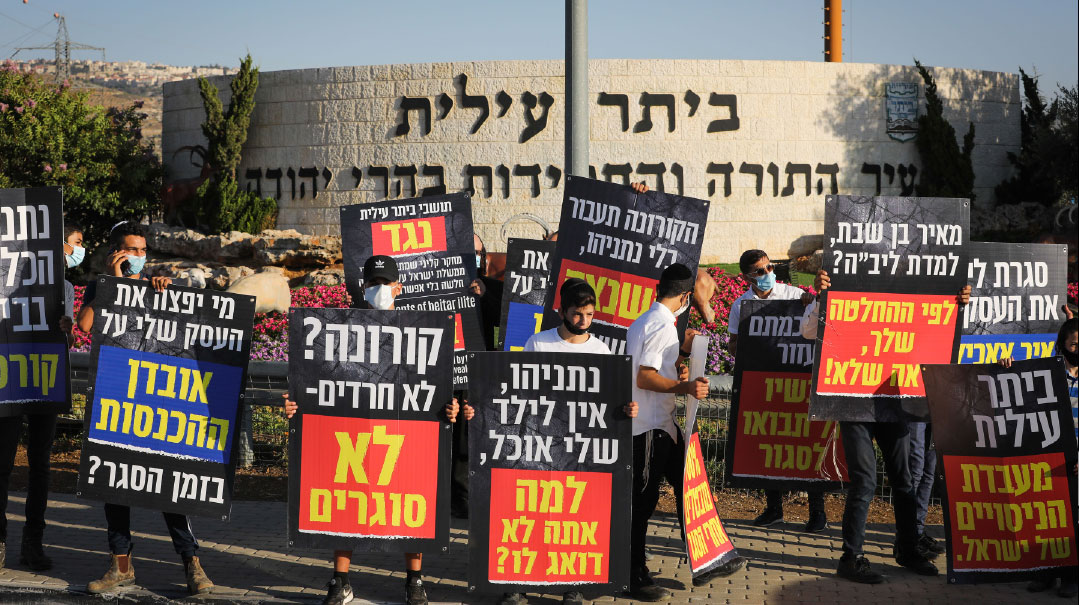
Meanwhile, the ferment in the chareidi street increased, and in several cities large-scale demonstrations were planned, to be headed by the mayors themselves. The latter sent a strongly-worded letter to the Prime Minister in which they accused him of “turning chareidim into scapegoats … making decisions without our participation and shielding yourself behind the names of others who are to take the blame.”
Create a free account to keep reading.