After 13-year cease-fire, Lebanese front flares up
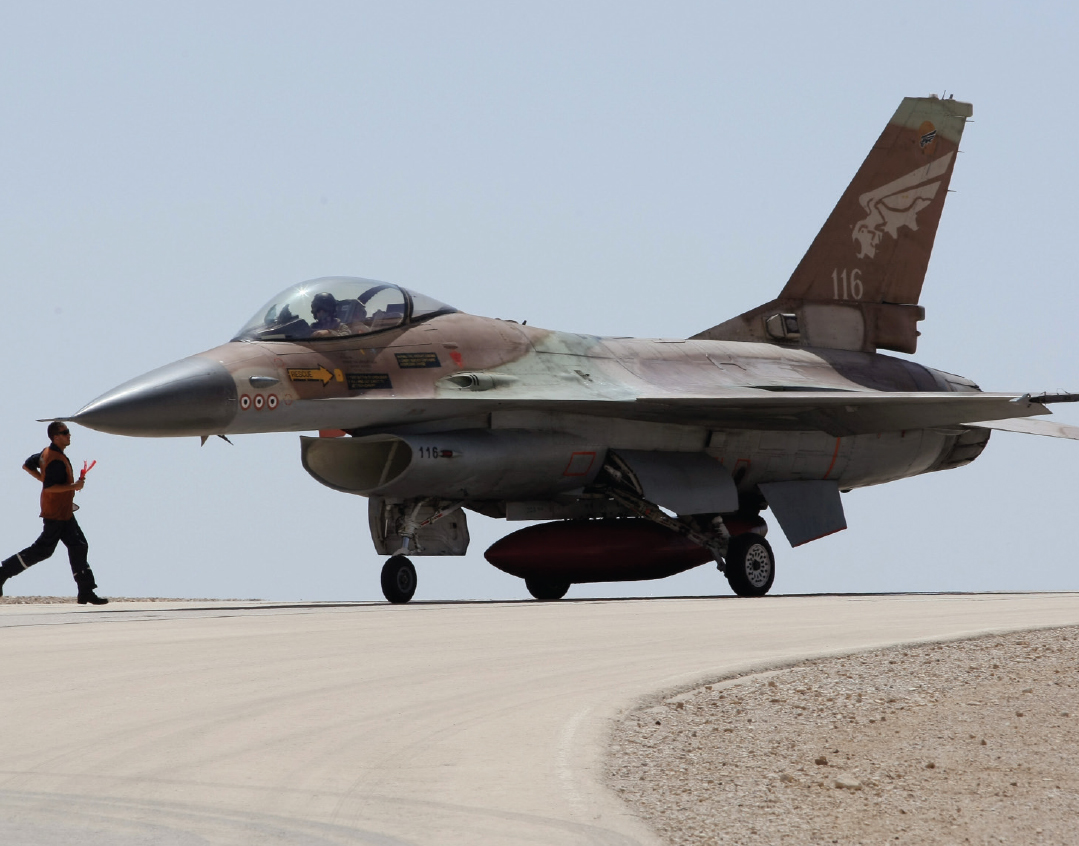
Israel is now engaged on four fronts simultaneously: Syria, Iraq, Lebanon, and Gaza.
On Monday, Arabic media reported that Israel struck a base of the PFLP-GC, a Palestinian terror group and an ally of Hezbollah, deep inside Lebanon. If the reports are accurate, it would be Israel’s first attack inside Lebanese territory in 13 years, since the end of the last Lebanon War, and came just hours after Hezbollah leader Hassan Nasrallah threatened to shoot down any Israeli plane that breached Lebanese air space. A year ago Prime Minister Netanyahu warned that Israel was considering targeting precision-guided munitions factories that Hezbollah had built in Beirut with Iranian help. Israel ultimately took no action at that time.
Hours earlier, on Saturday night, Israel acknowledged that it had attacked Iranian forces and Shiite militia in Syria who were preparing to launch a large-scale drone attack on the Golan Heights. Israel had been watching the unit, which was being trained by Iran’s Quds Force in the town of Akraba southeast of Damscus, for several weeks. The group intended to launch a swarm of armed drones against Golan Heights targets, in response for Israeli-attributed strikes against Iranian bases in Iraq. According to IDF Chief of Staff Aviv Kochavi, Qassem Soleimani, the commander of the Quds Force, had taken personal responsibility for the operation. He trained the Shiite activists recruited to carry it out, alongside munition experts from Iraq and Iran. The Iran-backed unit was prepared to act last Thursday, but their plans were foiled by IDF countermeasures. On Shabbos, when it became clear that Iran was determined to carry out the operation, the air force took preemptive action. Iron Dome batteries were deployed across the north in anticipation of an Iranian retaliation.
An Iranian terror attack from Syria is a major, costly project that requires approval from the very highest ranks of the Iranian leadership, perhaps all the way to Supreme Leader Ali Khamenei. The planned attack is significant, as it demonstrates Iran’s willingness to cross a red line. It is likely meant as a signal to Israel, the United States, and the entire region, that it will not accept airstrikes on its bases and militias in Syria and Iraq, and will not turn a blind eye to attacks attributed to Israel.
Create a free account to keep reading.