“You are not defined by your medical condition! Your neshamah is healthy even if your body is not”
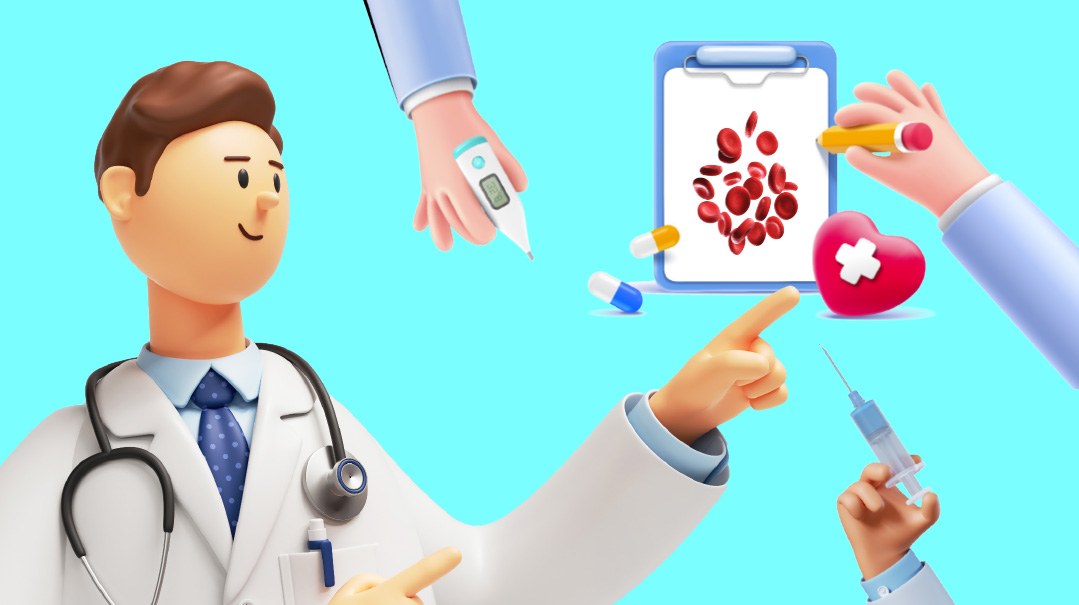
In most cells in the body, mitochondria are responsible for producing the energy (called ATP) that our cells need to function. In Mitochondrial Disease, the mitochondria in the person’s cells don’t produce enough energy. Every person with Mitochondrial Disease is affected differently, depending on which cells are affected. Sometimes the condition is hereditary, but it also appears without previous family history, like in Gavriel’s case. Unfortunately, there is no cure and doctors can only try to treat the symptoms.
Everything changed on Seder night when I was four years old. Without warning, my hand began to tremble. I couldn’t make it stop. After a while the muscles in my hand grew tired and it throbbed and hurt. Then my other hand began to shake. I was taken to the Tel Hashomer hospital in an ambulance. Over the next weeks, my whole body began trembling, even when I slept.
Doctors ran many tests. They tried different medications, but nothing helped. In the end, we were told that Mitochondrial Disease is a very rare condition , so rare that there are less than ten children in the world who share my symptoms. It doesn’t even have a specific name, though it belongs in the category of mitochondrial diseases. Though some mitochondrial conditions are hereditary, mine is not. No one really knows what to expect, because there are not enough cases. No one knows what caused it to suddenly appear.
In the beginning my social life didn’t change. My classmates and the rebbeim in cheder knew me already from preschool, and everyone was my friend. The difficulties grew after my bar mitzvah when I went to a new yeshivah. My constant shaking causes people to stare. None of the other boys wanted to be friends with me. Some of them bullied or mocked me. I used to be outgoing, but now I am shy in new situations.
Create a free account to keep reading.