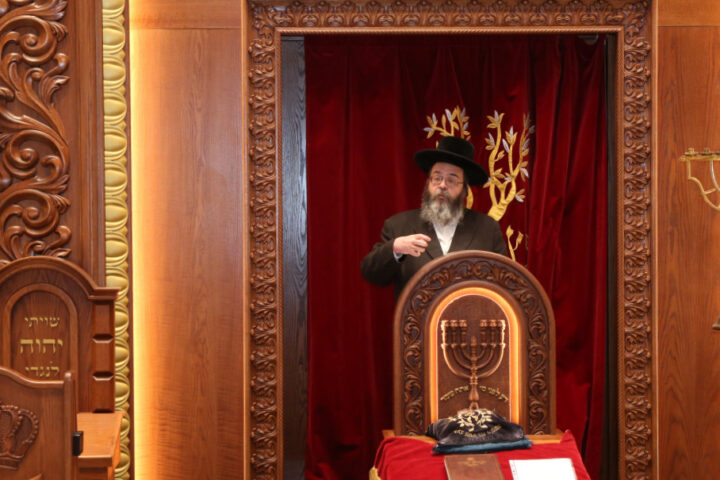
Though the city of Chadera eventually developed a secular character, in the 1960s a branch of the Novardok yeshivah opened in Chadera
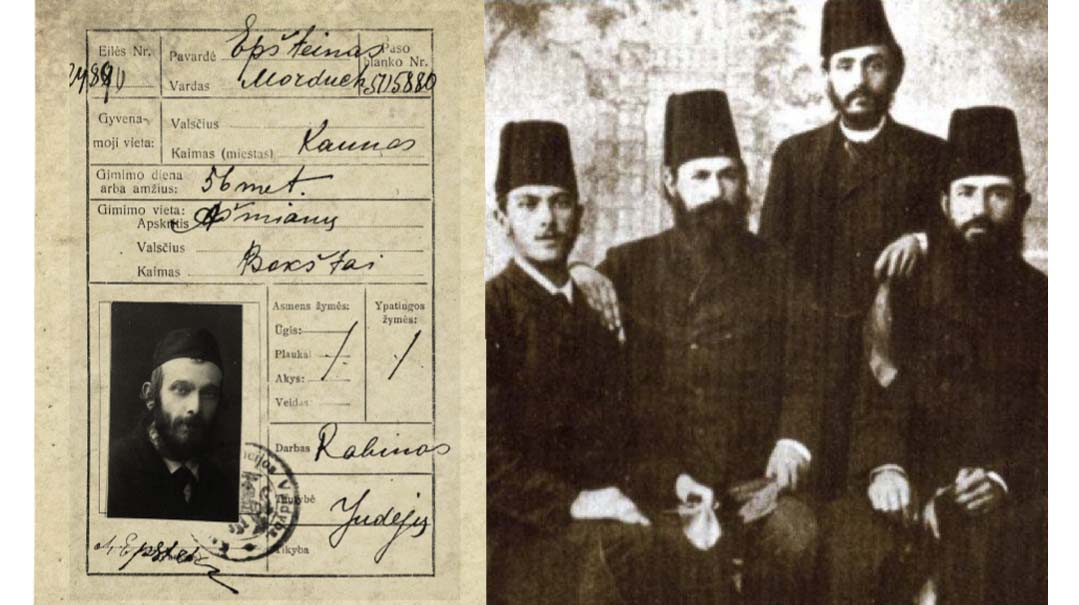
The late 19th century was a time of rising disillusionment for Jews in the Russian Empire. Drastic economic changes and rising anti-Semitism in the 1870s, followed by the 1881 pogroms in Ukraine after the assassination of Czar Alexander II, led many to emigrate. Although the vast majority who did so crossed the Atlantic Ocean, a few adventurous individuals headed south to Ottoman Palestine, with the goal of establishing settlements in Eretz Yisrael. One who shared that vision was the soon-to-be rosh yeshivah of Slabodka, Rav Moshe Mordechai Epstein.
The upheavals did not spare the Volozhin Yeshivah, and some of its students established secret societies to promote settlement in the Land of Israel, operating clandestinely to avoid discovery by the Czarist police. In addition, the rosh yeshivah, the Netziv, frowned upon distractions from Torah learning.
Rav Moshe Mordechai and Rav Isser Zalman were among the members of two societies in Volozhin, Nes Tziona and later Netzach Yisrael. They deepened their association when they both married daughters of the late Rav Shraga Feivel Frank of the Kovno suburb of Alexut (Aleksotas). The wealthy and influential Frank family were leading members in the local branch of the Chovevei Zion movement.
In 1890 Rav Moshe Mordechai and three others were dispatched as emissaries of Chovevei Zion to Eretz Yisrael to purchase a parcel of land in the Jezreel Valley for future settlement. Zionist activist Yehoshua Chenkin brokered the deal, which resulted in the acquisition of a tract of swampland, inhabited by a handful of water buffaloes, from the Arab Christian Selim Khuri.
Create a free account to keep reading.