Yossele Rosenblatt inspired thousands of Jews on Yom Kippur to teshuva with his heartfelt niggunim. His golden voice found its match in his tayere neshama, and the combination sent spirits soaring. Remembering Yossele.
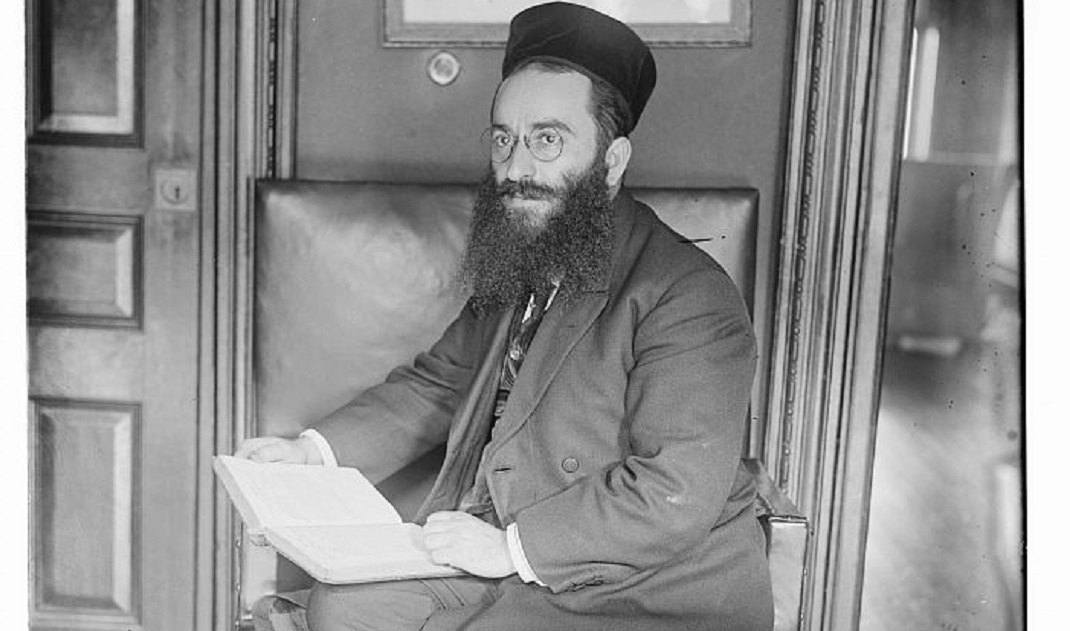
A rich clear voice, the ability to improvise, and rare coloratura, are just some of the musical talents that the “King of the Chazanim” possessed. Kindheartedness, a sharp mind and an emotional soul were part of his regal personality. Yossele Rosenblatt was born for the “amud,” and that’s where he stayed his entire life, forfeiting tempting monetary offers which would have meant compromising his Torah values.
“He’ll be a great chazan yet,” said one of the visitors to the Rosenblatt home in an oft-repeated cliché. But in this case the prediction came true. Yossele did indeed become a great chazan, or more accurately, the greatest chazan of all time.
Most famous chazanim start out as choirboys accompanying some prominent cantor, learning the ropes of the profession by observing the mentor. Not so Yossele Rosenblatt. He never trained to be a chazan; he was born one. Even before he learned to identify the letters of the alphabet, little Yossele was already able to repeat all the tefillos that he heard from his father, R’ Shalom Refael, a chazan in his own right,. Not only that, but he would embellish the songs, adding his own personal touch.
Yossele Rosenblatt spent his early years in Biala Cherkov. His family background and childhood environment made it only natural for a boy possessing such an extraordinary voice to grow up to be a chazan. Being that other members of his family were chazanim, music and melody were an integral part of his life. His mother’s brother, Gedalya, was a chazan in the court of the Stefaneshter rebbe ztz”l. The rebbe would say, “the tone of Dovid [Hamelech’s] harp has found its way into Gedalya’s throat.” Another uncle, Todros, davened from the amud until the end of his life, (he lived to be ninety-eight), his voice never losing its clarity and vitality. Yossele’s father was a chazan as well. Thus from the earliest age, he absorbed the melodies his father would hum while poring over his Gemara, and listened in when he practiced or when the choir would come rehearse in their home. Yossele’s favorite childhood game was “chazan and choir.” A bench draped with his mother’s apron served as the “amud,” a sheet became his tallis, and his classmates were the choirboys.
Create a free account to keep reading.