What once felt rare or even strange has become surprisingly natural
Today, perhaps for the first time, we’re being given a genuine opportunity to begin healing that mistake. We’re living in a unique time in Jewish history — one that few could have predicted just a generation ago.
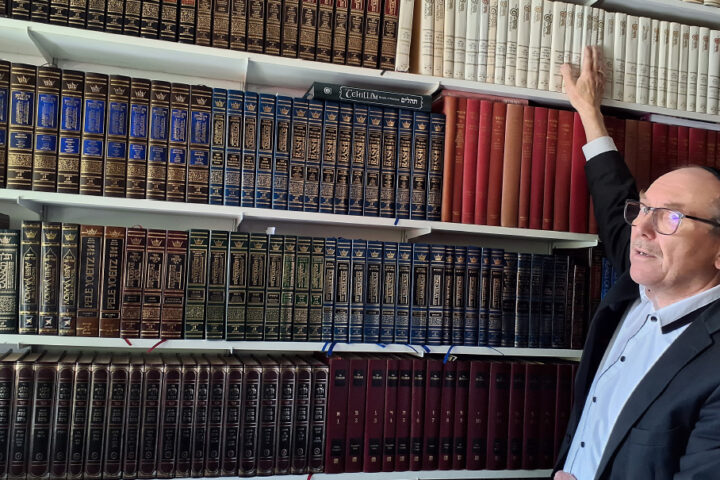
Walk into a shul today and look around. You might see a Modern Orthodox Jew wearing a gartel, a beketshe, or even a shtreimel. You might hear a litvishe yungerman quoting a Sephardic chacham, a charismatic kiruv speaker, or mekubal. You might see a Sephardi learning from the Chumash of Yeshivas Brisk.
All around us, chassidim, Litvaks, Sephardim, Yekkehs — each rooted in their own mesorah — are now also learning from and being shaped by each other’s mesorah. People have suddenly embraced traditions from all points on the spectrum. What once felt rare or even strange has become surprisingly natural.
What’s behind this shift?
There are several factors that contribute to this blending of mesoros, but a very significant one is accessibility. Torah used to be something you received directly from your rebbi, your parents, your community, your particular circle. But today? One click, one download, one forward, one post — and you’re hearing voices from around the Jewish world.
Create a free account to keep reading.