This year also brought more evidence— if any was needed— that European anti-Semitism is a continent-wide disease
f Europe’s newspaper editors wanted to take a shortcut for their year-in-review features, they could copy last year’s headlines — because this year’s big stories felt like old news.
Honest burghers from Brussels to Birmingham are heartily sick of the Brexit saga — yet it’s no closer to resolution than a year ago. Shorn of his majority in Parliament and unable to threaten the European Union with a No Deal Brexit after MPs voted against it, new prime minister Boris Johnson’s only option is a general election. That, in turn, depends on the good offices of the opposition, who seem in no hurry to give him what he wants. Johnson may have brought new aggression to 10 Downing Street after the Theresa May fiasco, but a year on, the EU still seems to hold all the cards.
This year also brought more evidence — if any was needed — that European anti-Semitism is a continent-wide disease. Britain’s opposition Labour Party under Jeremy Corbyn was declared to be “institutionally anti-Semitic” by departing MPs. Less than 75 years after the Holocaust ended, a German official warned that kippah-wearing was not safe in the country. Dutch football supporters chanted, “Hamas, Hamas, Hamas — Jews to the gas.” A grotesquely anti-Semitic float was paraded at a carnival in Aalst, Belgium — and the list goes on.
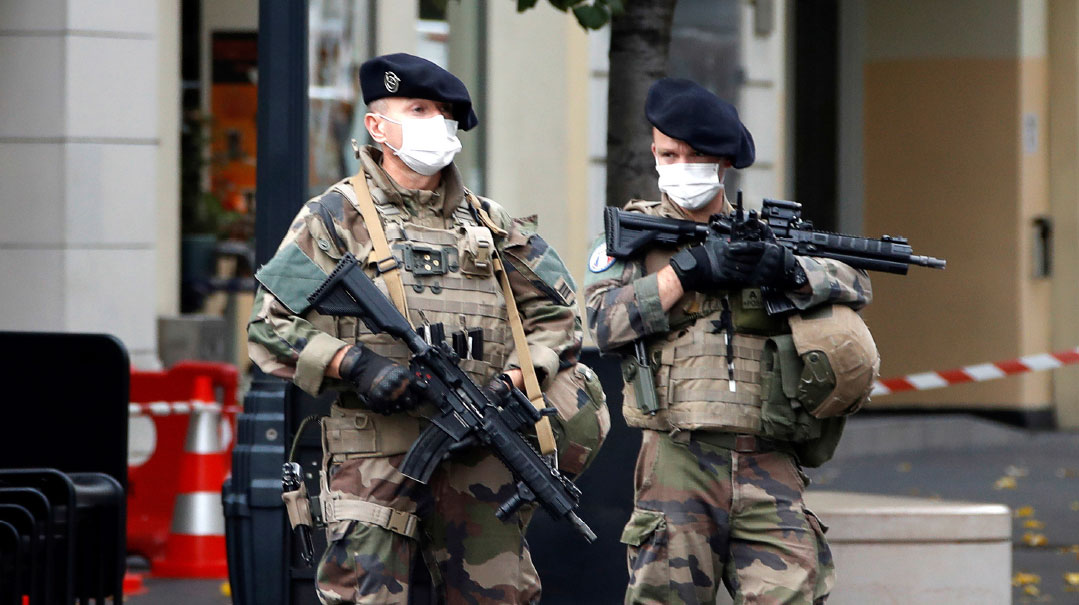
But if these prolonged crises feel like a slow-motion car crash, the good news is that Europe seems to have turned the corner on Islamic terror. Jihadist attacks killed 62 people in 2017, which fell to 13 in the following year. So far in 2019, no lives have been lost to terror in Europe.
Create a free account to keep reading.