“Psychedelic mushrooms, Dr. Freedman. You know what I’m talking about"
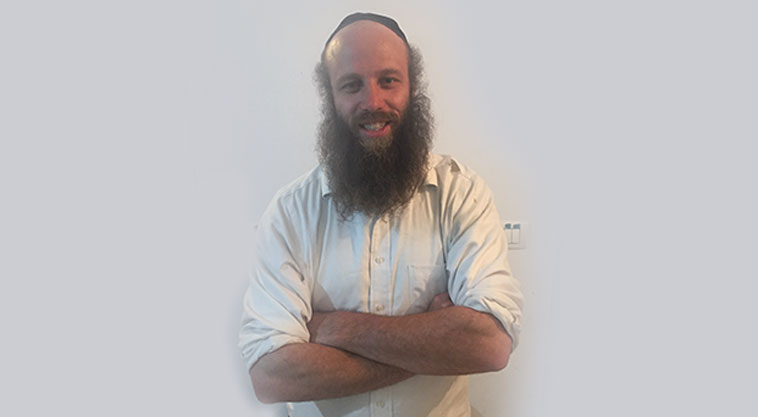
I first met Ahrele when he was 17. He was angry and suspicious, ready to lash out at anything in his path. And with good reason, too: This was a kid who’d suffered ongoing abuse by a family member who was no longer in the country, and lost trust in the people who were supposed to protect him from harm. More recently, he’d been kicked out of one yeshivah after another, mostly because he’d essentially lost interest in Yiddishkeit – and anything else, for that matter.
I had already met with his father, Reb Leibush, to discuss his son’s decline. His parents, who never really confronted the ordeal, wondered if the lack of success in school was ADHD or some other behavioral issue, but to me at least, a diagnosis of complex trauma with all of its behavioral manifestations was pretty clear. This was a kid who was simply lost.
Ahrele sat in my office in a quiet fury and wasn’t particularly interested in speaking with yet another authority figure who had nothing to offer him. I tried my best tricks, but Ahrele wasn’t going to engage with me and the interview was over.
I discussed the case with his parents, who were still stuck on the “Why isn’t he interested in being frum?” types of questions and essentially brushed the trauma issues under the table. “How long can a thing like that last?” questioned his father, with no small amount of frustration – laced, I sensed, with a slice of guilt.
Create a free account to keep reading.