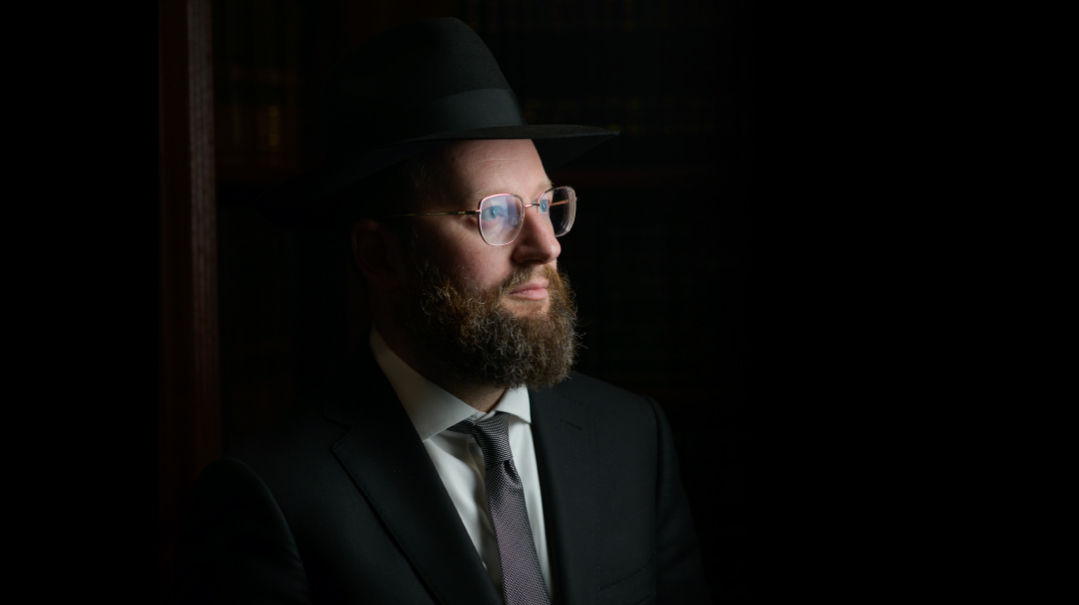
Rabbi Naftali Katz is available 24/7 to help families navigate end-of-life dilemmas
Their first child, a baby girl, began to decline during their visit, to the point where she had to be hospitalized at Sick Kids Hospital in Toronto. When she wasn’t getting better and the doctors there had no more recourse, the Katzes sought the advice of Rabbi Shuki Berman of Refuah, who told them to move her to Boston Children’s Hospital. There they stayed at a Rofeh apartment, courtesy of the Bostoner Rebbe, until their daughter was finally deemed well enough to go home.
The unique circumstances of hospital life, a veritable world of its own, presented a new reality. “People think you can sit in a hospital room with a sefer and learn the whole day,” Rabbi Katz says. “They don’t realize that a hospital has a life of its own. Someone is always coming in — nurses, therapists, tests, food, doctors — it’s physically and emotionally draining.”
He and his wife had to learn how to live “normal” life within those constraints. His parents and in-laws would frequently visit, taking a bus from Brooklyn or flights from Canada every few weeks, bearing a stock of homemade food, together with love and support. The hospital gave them a room for Shabbos meals, and a family from Bnei Brak would share their cholent.
“So many Israelis go there for treatment, and once I’d learned my way around, I helped them when possible, showing them how to handle Shabbos in the hospital and get what they needed,” Rabbi Katz relates of those long months. “There were times the regular translators weren’t available and doctors had to explain life and death situations to them. I think I spoke more Hebrew during that period than when I lived in Eretz Yisrael.”
Create a free account to keep reading.