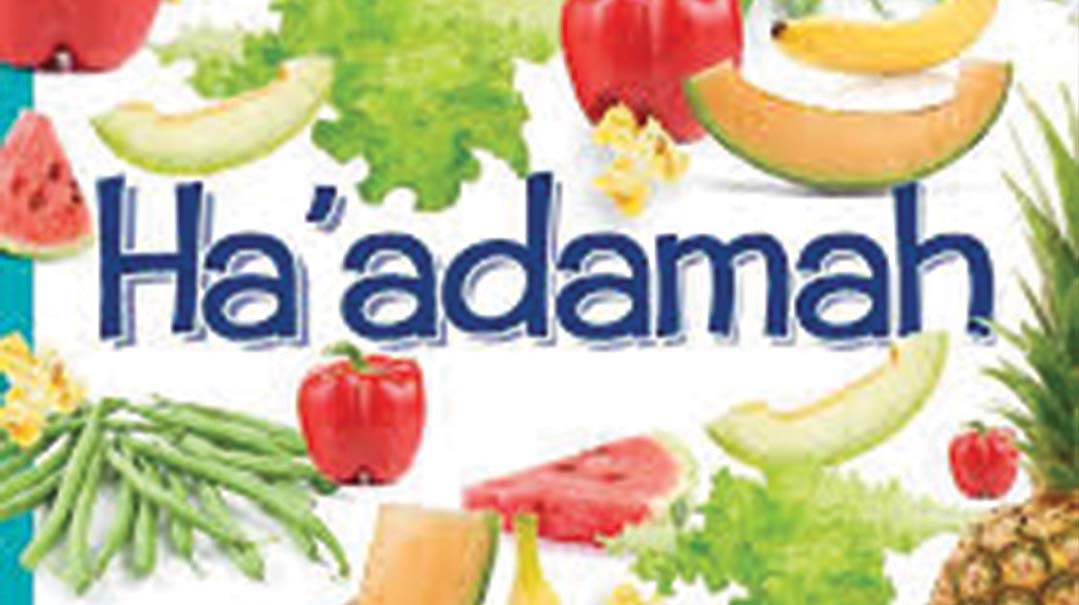
Back in 1983, we were in the middle of doing the vocals on the second Uncle Moishy album, recording “The Brocho Song,” when our first sh’eilah came up. The lyrics that we composed included five of the brachos we make on food – hagafen, hamotzi, mezonos, ha’eitz, and shehakol. . In actuality, there are six (ha’adamah). To be honest, I didn’t see a problem with that. But Zale Newman questioned only putting only five of the brachos into the song and leaving one out. In the end we decided the question warranted an official psak, to be posed to a rav.
I drove over to Yeshivah Torah Vodaath and went to ask Rav Belsky ztz”l the question. I remember clearly how he was standing in the middle of the beis medrash, at the bimah, and I approached him and said, “Rebbi, I have a question. Can we do an Uncle Moishy song about making brachos on food, and mention only five of the six food brachos?”
Without missing a beat, Rav Belsky asked me, “Which brachah did you leave out?” I answered that the brachah I had left out was ha’adamah, but that I could change it to a different brachah if it was important. Then Rav Belsky asked me, “And how do you think ha’adamah is going to feel?” I gave a smile and a small laugh. He looked at me with a stern face and said, “I’m not joking! Do it over.” I looked at him in bewilderment, not having anticipated that answer. He repeated himself. “Do it over. And include all the brachos.”
Of course, we did it over.
From that moment on, Suki, Zale and I realized that taking on the responsibility of teaching children was no small matter and that we must be extra cautious when producing a children’s album.
Create a free account to keep reading.