Ethel Baar could have been buried next to her dear friend, and her closest relatives contend this was indeed her final wish. However, a New York Supreme Court judge ruled that Mrs. Baar should be cremated in accordance with her written will. The people responsible for the intense and prolonged effort to give Mrs. Baar, who died at 105, the dignity of a Jewish burial believe that increased awareness of end-of-life and postmortem issues can help spare others from suffering a similar fate.
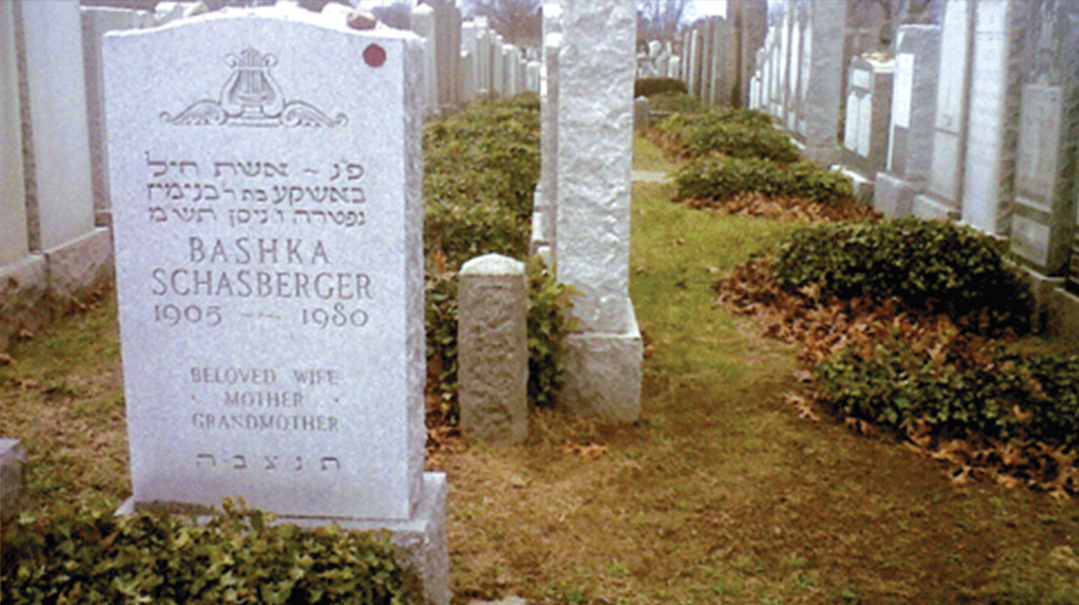
New York State Supreme Court Justice Jane Solomon’s decision to reaffirm her previous order to cremate the remains of Ethel Baar ended a months-long drama that saw an acrimonious dispute replete with anti-religious overtones flare between Mrs. Baar’s kin.
The fierce legal tug-of-war following Ethel’s death was the final chapter of a struggle over her postmortem wishes that had begun during her lifetime. Ethel who was raised in a religious home left observance as a young woman and she and her late husband Jacob spent their many decades of married life together in Manhattan living a secular lifestyle and had no children of their own. In 1987 Jacob died and his wish to have his remains cremated — with his ashes to be dispersed over Israel’s soil — was fulfilled.
In 1999 the then-ninety-four-year-old Mrs. Baar designated her nephew attorney Leibert Greenberg a secular Jew as the fiduciary and beneficiary of her estate and drafted a will stating her desire to be cremated. Greenberg subsequently made a “pre-need” cremation arrangement with Gramercy Park Funeral Home in Manhattan.
In 2004 Ethel was visited by her frum great-nephew James (Yitzchok) Pollock and his new wife. Ethel enjoyed an unusually close relationship with James who spent three years living in her apartment during the late 1990s when she was a fragile elderly widow. Ethel told Mrs. Pollock that her husband was like the son she never had. During their visit the couple gingerly broached the topic of Ethel’s cremation wish. They explained to her their desire to be able after 120 years to have a gravesite to visit and be able to recite the Kaddish for her. Mr. Pollock assured his great-aunt that he would attend to all the details of a Jewish funeral and burial and was even prepared to cover the costs involved.
Create a free account to keep reading.