They get hundreds of calls and e-mails a day, and can’t walk into shul without being approached by desperate parents and relatives. A private conversation with Lakewood’s busiest shadchanim — Rabbis Meir Levi, Shloime Lewenstein, and Tzadok Katz.
T
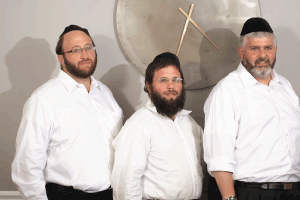
he three men seated around the table look like hundreds even thousands of other Lakewood residents. Young bearded standard-issue yeshivishe white shirts open at the neck.
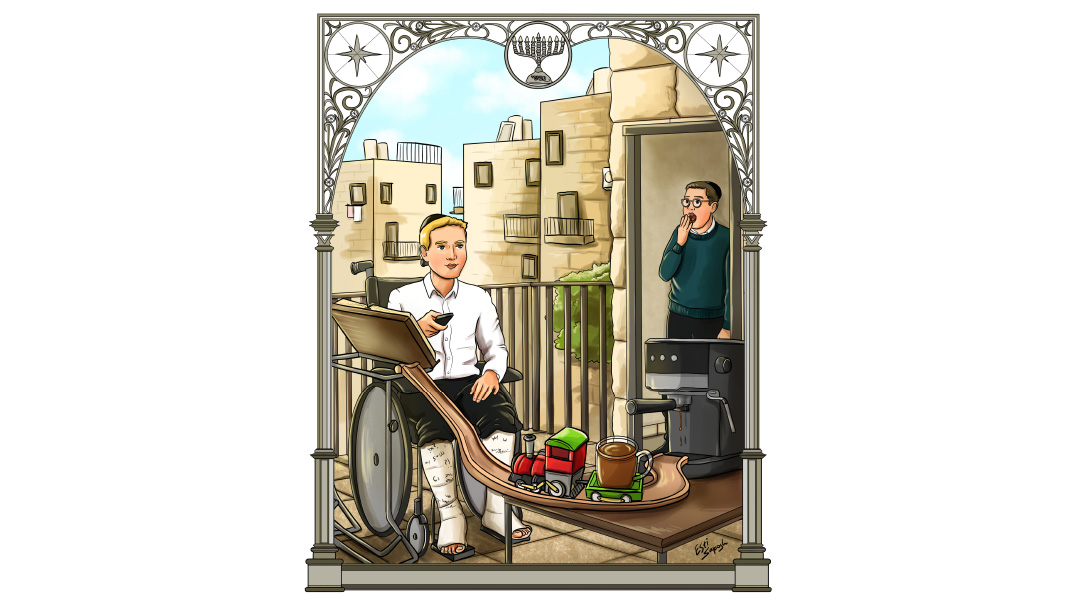
Then as our conversation is interrupted yet again — “Gentlemen sorry to intrude I just happened to notice you guys and I wanted to mention my sister-in-law again ” or “Hi guys just a quick reminder about my cousin ” and “Hey there just to make sure you didn’t forget my number” — I suddenly imagine the inside of a shadchan’s brain. The image that arises is something like the space between the large stones of the Kosel crammed tight with tiny slips of paper a repository of desperate hopes and dreams.
The shadchanim seated around me seem to understand that even more than a response the steady stream of visitors seek assurance confirmation that they haven’t been forgotten.
Each of the shadchanim around this table has his own unique personality but they share a common trait: empathy an “I’m thinking of you” expression that speaks volumes. They certainly break the stereotype of the shadchan that has been caricatured through the ages he of the umbrella spectacles and briefcase bursting with exaggerations.
Create a free account to keep reading.