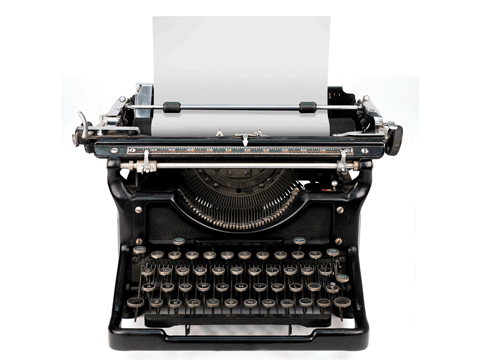
For thousands of years, letters have been the way to communicate messages to near and far. Letters were bundled together with elastic bands, and stored in drawers and under mattresses, to be taken out, reread, and cherished — a documentation of each family’s personal history.
 The First Letters
Writing and sending letters used to be a good deal more complicated than it is today when we can scribble a note stuff it in an envelope and into the mailbox in a matter of minutes. The very earliest letters were written before there was either ink or paper using clay tablets. Made of clean smooth clay and in various shapes — cone-shaped drum-shaped or flat — wedge-shaped letters were cut out of them and then the tablets were dried in a kiln or in the sun. This made the tablets extremely strong — so strong that many have survived until today. In fact archaeologists have uncovered thousands of clay tablets in what used to be ancient Babylonia. There are so many that half a million still haven’t been read! Clay tablets were used for all kinds of letters — business communications royal messages and regular personal letters — just like today really.
To read the rest of this story please buy this issue of Mishpacha or sign up for a weekly subscription.
Create a free account to keep reading.