Rabbi Mendel Belsky saw how all Jews shined on the inside, even if they’d been tarnished by life’s struggles
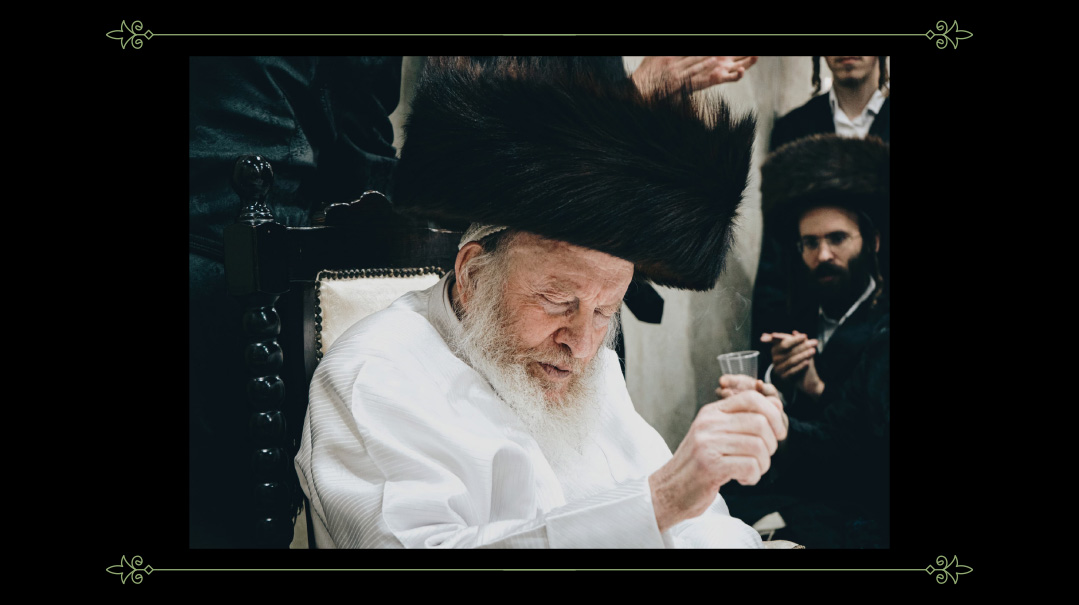
Rabbi Belsky was heading to prison to bail out a bochur who had unfortunately had a run-in with the authorities. As he drove, he kept reiterating his thoughts to his daughter, underscoring the importance of the task at hand. Each Yid has his own set of nisyonos, some more difficult than others. If a bochur makes some mistakes — even big mistakes — does that make him a failed person? “Sheva yipol tzaddik v’kam — the righteous person falls seven times and rises,” says the pasuk. This was just one of this bochur’s falls, and he was now ready to rise up again.
And Rabbi Mendel Belsky was always there to help another Yid rise once again.
When the signs went up around Lakewood and Brooklyn on Motzaei Shabbos, 26 Teves, notifying the tzibbur of the passing of Rav Mendel Belsky, some people were unaware of who exactly this adam gadol was. Yes, most people understood that he was a respected member of the prestigious Belsky family, and that he had been an esteemed rosh yeshivah and rebbi for many years — but many did not know that Rav Mendel had single-handedly reignited the souls of hundreds of Yidden and helped pave the way for a new generation of mechanchim seeking to reach out to struggling talmidim.
Menachem Mendel Yitzchak Belsky was born on February 8, 1943 / 3 Adar 5703 to Rabbi Berel and Chana Tzirel Belsky (nee Wilhelm) of Williamsburg, who were instrumental in laying the groundwork for American Torah Jewry. Aside from their involvement in such fundamental projects as Zeirei Agudath Yisroel, Bnos, and Chinuch Atzmai, to list a few, the Belsky home was a legendary center of hachnassas orchim. Visitors from far and near were always greeted warmly and served a hearty meal — often scrambled eggs prepared by Reb Berel himself.
Create a free account to keep reading.