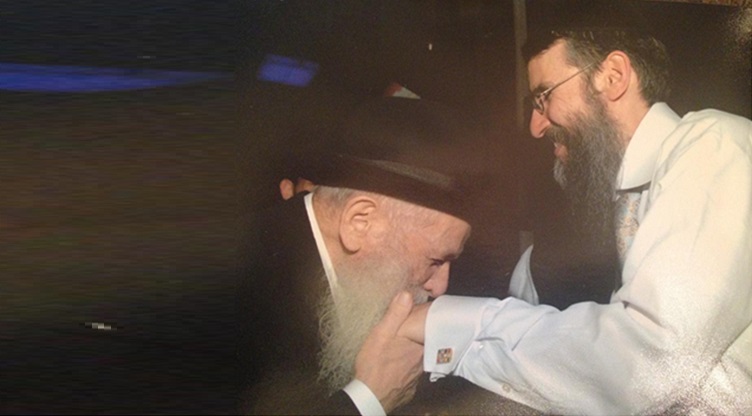
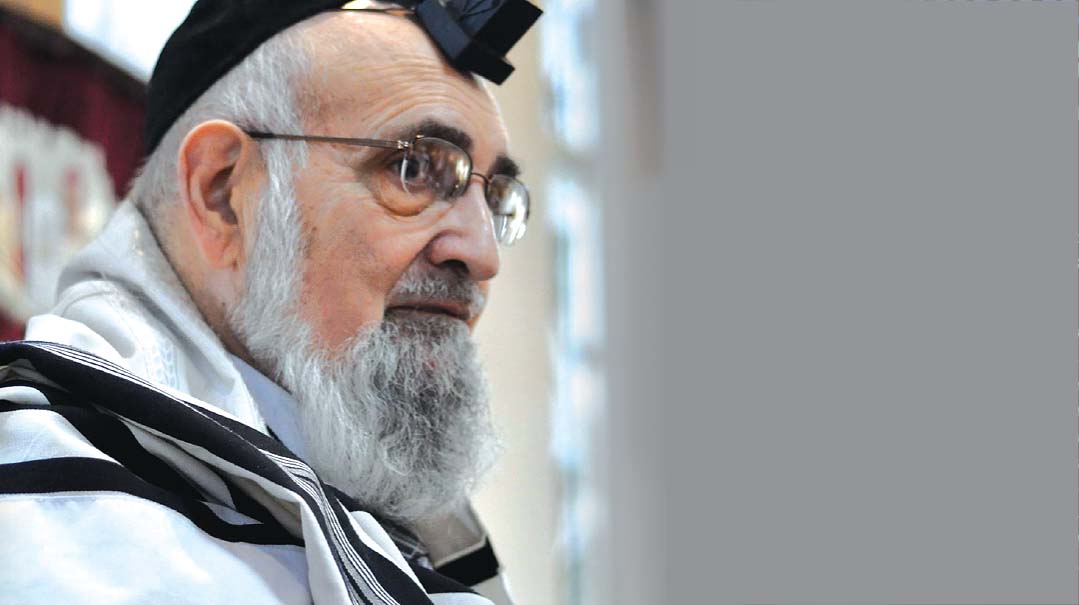
Rabbi Gedaliah Anemer changed a shul with a thirty-five-man membership and an outside chance of survival into the thriving center that is the pride of Silver Spring, Maryland — with a flourishing yeshivah, yeshivah gedolah, and kollel. A year after his passing, the community of Silver Spring is just beginning to comprehend its loss
Photos Judah Lifschitz/JFotoArt, Family Archives
As the train clacked farther and farther away from Akron, Ohio, a little boy stared out the window. Nine and a half years old, his only seat in the crammed car was on the lap of the unfamiliar rabbi who had plucked him from his childhood home so he could join his older brother in yeshivah.
Throughout the journey, little Gedaliah Anemer kept reliving his mother’s goodbye at the train station. Years later, he would never forget the vision of his widowed mother from the window as the train pulled out. Although it was tough to raise her three children while keeping her job in the Akron soda factory, it was even harder for her to let him go away to yeshivah.
“It was at that point,” he said, “that I realized how important learning Torah must be, because why else would my mother put herself through such pain?”
Rav Gedaliah Anemer was born in Akron, Ohio, in 1932. At a time when it was rare to find a Jew in middle America who was shomer Shabbos, his father, Reb Zev, turned down an offer to own a Coca-Cola franchise — a deal that would have made him a very wealthy man — because upgrading his own soda factory to a Coca-Cola affiliate would have forced him to work on Shabbos. Tragically, Reb Zev was killed by a drunk driver while delivering a case of soda to a customer, leaving his wife, Rivkah, alone to raise three young children under the age of twelve. At age seven, young Gedaliah’s childhood effectively died, as he recited Kaddish at his father’s funeral. (Many years later in the rabbinate, he found himself in the position of having to comfort other orphans. He would tell them that “becoming a yasom is not a life sentence,” and he would encourage the children that if he could succeed, so could they.)
Create a free account to keep reading.