and why?,There is a custom to recite the passage known as Haneiros halalu when the Chanukah menorah is lit. When was Haneiros halalu composed, and when do we recite it? What is its correct text, and what is the significance of the number of its words?
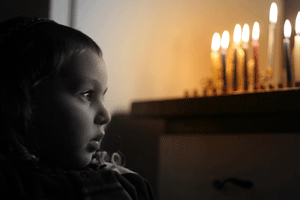
Unlike other Jewish holidays Chanukah is not the subject of an entire masechta in Shas. Instead the laws of these days appear on two folio pages of Maseches Shabbos following the Gemara’s discussion of which wicks and oils may be used for the Chanukah menorah. The Gemara’s conclusions and the subsequent discussion of them by the Rishonim and Acharonim have been codified in the Rambam the Tur and the Shulchan Aruch and its commentaries.
There is a custom which is not mentioned in the Gemara but is observed by all Jews other than a few Yemenite communities and those following the customs of Italian Jews (Siddur Roma) to recite the passage known as Haneiros halalu (its first two words) when the Chanukah menorah is lit.
What is the source for the recitation of this passage and what is its purpose? The mitzvah of the Chanukah menorah is the only one that we preface with a passage explaining the background of and reason for the mitzvah. The first mention of Haneiros halalu appears in Maseches Sofrim (ch. 20 par. 3-6 in the Hager edition; the poskim appear to have had either this version of the tractate or a similar version): “On the 25th of Kislev we light the Chanukah candles…. What brachah do we recite? On the first day the one who lights recites three brachos: ‘Blessed are You… commanded us to light the Chanukah candles.’ He pauses and then stipulates: ‘These candles we light for the salvations for the miracles and for the wonders that You performed for our forefathers through Your holy Kohanim and for all eight days of Chanukah these candles are sacred. We are not permitted to use them only to see them in order to give thanks to Your Name for Your wonders for Your miracles and for Your salvations.’ He then recites ‘Blessed are You… Who has kept us alive…’ and ‘Blessed are You… Who performed miracles….’ ”
The wording of Maseches Sofrim implies that this passage represents a stipulation that one should make while lighting the candles presumably relating to the sacred status of the candles which makes them prohibited for use for any purpose.
Create a free account to keep reading.