He spent his life in a hovel, appearing like a common laborer. But his eyes burned with a holy fire, and he was called a “malach” by the greatest mekubalim and tzaddikim of his generation. Who was Reb Yosef Dayan? Yair Weinstock lifts the veil of mystery from the man who brought the concept of davening at the graves of tzaddikim into the public’s consciousness.
There was a seething undercurrent of violence in the Samarian village of Awarta as a tight ring of Arab youths began to surround the two Jews who had entered their town. It seemed certain that a lynch was imminent.
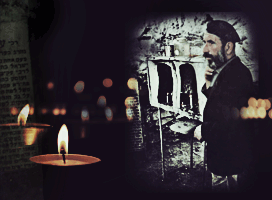
The younger Jew was deathly pale with fear. But the older man clad in khaki pants a faded black shirt and beret didn’t seem to notice the trouble brewing as he walked undisturbed to his destination — the graves of Aharon HaKohein’s sons Elazar and Isamar and the 70 zkeinim — as if he was taking a stroll in Jerusalem’s Meah Shearim.
“Reb Yosef they want to kill us! Don’t you see?”
And indeed the Arab youths were approaching armed with pieces of metal and clubs that left no doubt about their intentions.
Create a free account to keep reading.