Warm Spirit,Once an abandoned Polish gravesite, the resting place of Reb Elimelech of Lizhensk is now a magnet for tens of thousands of supplicants. Back when Rav Simcha Krakowsky decided to warm the chilly nights with some hot soup, he never could have dreamed how big his hachnassas orchim venture would grow,Hot Soup, Warm Spirit,When Rav Simcha Krakowsky decided to warm the chilly nights at the resting place of Reb Elimelech of Lizhensk with some hot soup, he never could have dreamed how big his hachnassas orchim venture would grow

THE WARMEST WELCOME Rav Simcha Krakowsky transformed the holy gravesite from a deserted landmark to a year-round destination starting with just coffee and soup. Today tens of thousands make the trip to Reb Elimelech’s resting place finding solace and hope in the power of the place (Photos: Shuki Lehrer)
“Aderaba place in our hearts… That each one of us merit seeing the mailos of his fellow Jew…” It’s a song a hope and a directive — the legacy of Rav Elimelech of Lizhensk the 18th-century student of the Maggid of Mezeritch who became one of chassidus’s dominant founding figures. On his yahrtzeit on the 21st of Adar you can watch that legacy come to life as tens of thousands of Jews from all walks of life descend upon his resting place in supplication in prayer and in unity.
Among the crowds is an older man instructing directing switching languages from Yiddish to Hebrew to a bit of Polish. Every now and then he steps back to look at the scene of hospitality he has spearheaded for so many years. Back when Rav Simcha Krakowsky first visited Lizhensk it was a deserted graveyard. It took no small measure of determination to transform the abandoned town to a welcoming spot for those seeking salvation. But after his initial urge to restore the glory of the tziyun effected his own personal miracle he wanted every other Jew to have the same chance.
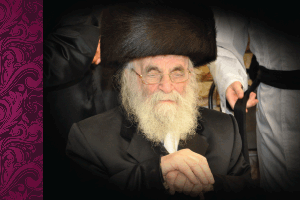
IT ALL BEGAN with the fall of the Iron Curtain. In Shevat of 1989 Reb Simcha Krakowsky a childless Lelover chassid from Bnei Brak accompanied his Rebbe Harav Moshe Mordechai of Lelov ztz”l on a trip to Lizhensk. During the Communist years the Jewish imprint of the historic city has almost been obliterated. “Opposite the cemetery was an old gentile woman who spoke a Galician Yiddish. She had the keys to the ohel ” Reb Simcha recalls. “There was an ohel over the grave but other than that not a sign that this site meant anything to Jews. The conditions were awful; a person could not attend to his most basic needs here for lack of facilities.”
Create a free account to keep reading.