Fortunately for you, I developed these systems before the advent of AI, so they actually work
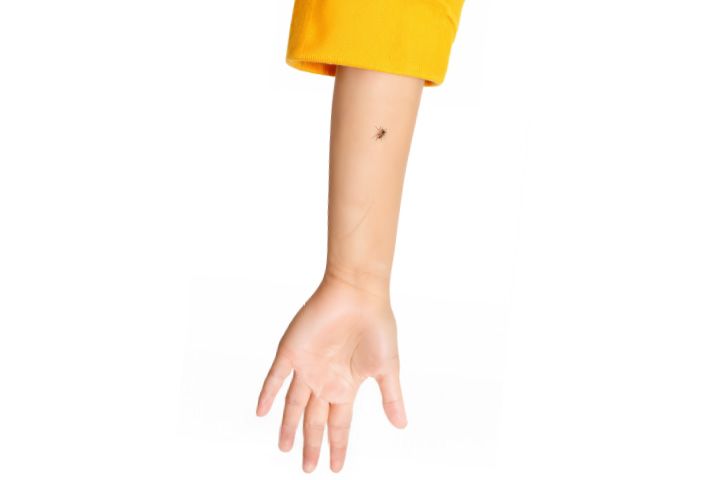
This is it — the time of year to do battle with spring and summer pests that literally make your skin crawl.
I’m speaking, of course, about pigeons, mosquitos, and head lice.
In this three-part series, I’ll share with you my hard-earned wisdom in evicting these invaders from your home. Fortunately for you, I developed these systems before the advent of AI, so they actually work. Don’t worry, I’m not going to repeatedly reassure you that you’re doing everything right while you become the first to successfully breed the piglousquito.
First up: mosquitos.
Before we start with the actual system, let’s clarify a few important points:
One, what is the correct spelling for the plural of mosquito? Is it mosquitos or mosquitoes? There is machlokes, so ask your LOAI. For the purposes of this article, we’ll use the more informal mosquitos. One problem at a time.
Two, what’s the difference between those huge, terrifying mosquitos that bump into walls blindly and collect under the eaves, and the smaller, pointy-looking ones?
Those big fellas are the harmless show-offs of the mosquito world — the males. They don’t bite. They spend most of their time drinking nectar (wouldn’t you know it).
It’s the smaller females that bite. They need the proteins in your blood to lay eggs. And they lay their eggs in water. Which leads us neatly into…
The best defense: Create an inhospitable environment.
Mosquitos don’t need much: A few drops of standing water, and they settle in for the season.
The simplest way to find likely sources of standing water is to tell your children, nieces, nephews, or kids you’re babysitting to stay away from water. Within minutes, they’ll have located near-empty buckets, forgotten toys, and that tiny puddle near your AC drainage. Depending on their age and resourcefulness, the kids may also discover your clogged gutters. Some species can breed in water as shallow as a bottle cap, so make sure you send a toddler along on the search.
Empty all of these potential breeding grounds so the mosquitos have nowhere to lay eggs. Their lifecycle is usually seven to ten days, so if you leave standing water around for a week, congratulations, you’ve opened a mosquito maternity ward.
A good offense: How to go outside in the summer without donating blood
Know Thine Likelihood
It’s true, some people are more likely to get bitten.
It’s not in your head. Mosquitos are attracted to carbon dioxide, warmth, and sweat. So they literally track your breath, body temperature, and excretions (like lactic acid and ammonia).
Disrupt Air Traffic Control Patterns
Mosquitos are weak flyers. (Fun fact: The word mosquito means diminutive fly.) If you challenge their airspace, they will take a detour. Outdoors, position fans so they blow on seating areas. Indoors, aim them at seating areas and beds.
Dress the part
Mosquitos see contrast well. If you tend to get bitten, black or dark clothes attract mosquitos more than light colors.
And wear thicker socks. Mosquitos love ankles. They fly low, and feet have lots of sweat glands and bacteria. Uncovered ankles provide easy access, and human scent and carbon dioxide drift downward and outward around the lower legs.
People Sprays
High-quality natural repellents can do an excellent job of making you smell bad to a mosquito and citrusy-fresh to you (as opposed to DEET, which smells like the chemical it is). Sprays containing oil of lemon-eucalyptus have been shown to keep mosquitos away. Test for skin sensitivity before applying a full-body shpritz, and spray generously around your ankles. Like sunscreen, you need to reapply periodically, especially after swimming or sweating.
The Right Gadget
Thermacells are one of the few mosquito gadgets that actually earn their keep. They heat a repellent and create a mosquito-free zone around you. In relatively still air, they can make a dramatic difference. Give them about 10-15 minutes to kick in.
Timing, Timing
Don’t sit outside during breakfast and dinner (theirs, not yours). Unfortunately, this may interfere with critical bungalow colony infrastructure.
At Home In Your Home
Mosquitos can squeeze through the smallest openings, so invest in good screens that close snugly. Keep your windows and doors closed at peak activity times (dusk, dawn, and just after your sprinklers have watered your garden).
Once a mosquito enters your home — once you hear that ominous whining in your ear — you have one final defense: A weapon so strong, so powerful, so invincible, that it gets its own section of this piece.
Windex.
Yes, the blue stuff. And yes, any generic brand will do.
If a mosquito enters your dalet amos, calmly follow it with your eyes. Close the door to the room so it can’t escape. Slowly, carefully, point and shoot.
The beauty of this is that you don’t need good aim. You don’t have to track it, stand frozen until it lands within reach, then strike. You just shpritz.
The mosquito will instantly drop to the floor (or bed, or dinner plate, so some decision-making is still called for). If she only received, say, half a shpritz, she’s only immobilized. Be kind and spray generously to finish her off.
I don’t know what magical quality is in Windex, but I keep a bottle in every single room of my house, and one outside.
Once you’ve created a puddle of mosquito mush, collect it in a tissue and toss. Then open the door again for ventilation. Windex isn’t as toxic as bleach, but you don’t need it to linger.
Mosquitos are persistent, but they aren’t unbeatable. With a little prevention and enough Windex to require its own storage cabinet, you can reclaim your porch, your bedroom, and your sanity.
Here’s what doesn’t work well:
Swatting: You knew that already.
Ultrasonic gadgets: They claim “mosquitos hate this sound frequency.” Studies show they don’t work reliably; some studies suggest they may even attract more mosquitos. And the mosquito bracelet? It may protect your wrist — but that’s about the range.
Bug zappers: Yes, mosquitos are bugs, and yes, they have wings, but shockingly (ouch!), they don’t fall for bug zappers. Remember: Mosquitos are attracted to carbon dioxide, warmth, and sweat, not disco lights.
Citronella plant: The citronella plant is pretty in a greeny-ferny kind of way, so feel free to surround yourself with them as an emotional-support mosquito solution. Citronella oil repels mosquitos, but it’s only released when the leaves are crushed, and even then, the effect is limited.
Citronella candles: These are wonderful. They smell nice. They create ambience. But wind happens, smoke disperses outdoors, and candles typically contain only trace amounts of the oil. Great as aromatherapy. But your friendly neighborhood mosquito will only experience a brief moment of, “Hmm. Citrus.” Then bite you anyway.
On the fence (literally): Yard treatments get mixed reviews. You can call in the pros or try a DIY, and go natural or (sigh) chemical. Either way, you’ll need to reapply regularly.