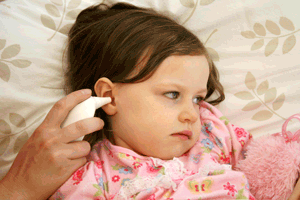
“Mommy my tummy hurts.”
How is Mommy going to respond?
It depends on who Mommy is who the child is and how the family culture expresses itself regarding health issues. Families have their own unique “sickness models” — ways of perceiving and dealing with illness. Let’s look at some typical sickness models and see how they impact on parents and children.
This Symptom Could Be Serious
A very common reaction to symptoms of illness is fear. “What is this lump or pain? Is it a sign of deadly disease?” A person might worry about him or herself or about other family members. Extreme worriers — those who assume the worst about every physical symptom — may be suffering from the disorder called hypochondriasis. The hypochondriac is one who misinterprets minor bodily symptoms such as palpitations rashes stomach or head pain etc. as signs of serious illness often rejecting their doctors’ reassurances to the contrary. (Contrary to popular opinion hypochondriacs are not people who imagine that they are sick; rather they imagine — without basis — that their sickness is fatal.)
Because minor bodily symptoms are a recurring common experience throughout the lifespan a person with this sickness model tends to suffer frequent intense stress. Moreover if this person is a parent he or she may be passing on a stressful sickness model to the children. Some forms of therapy are effective in reducing the anxiety characteristic of hypochondriasis including CBT (cognitive behavioral therapy) and EFT (Emotional Freedom Technique).
Attention Nurturance and Illness
Although it’s no fun being sick there can be some benefits. Time off of school or work trips to a caring health professional special attention and nurturing at home — these perks have powerful reinforcing effects. Some people actually get more positive attention when they are ill than when they are well. When this happens the importance of illness can become exaggerated; every symptom (and its treatment) becomes a topic of conversation and every ounce of interest and concern is extracted from the listener. Illness acquires an “excitement” factor: “You won’t believe what the doctor said … and then we had to try fourteen different medications before we got one that worked … and the side effects of the medication created another disorder that needed another treatment …”
Create a free account to keep reading.