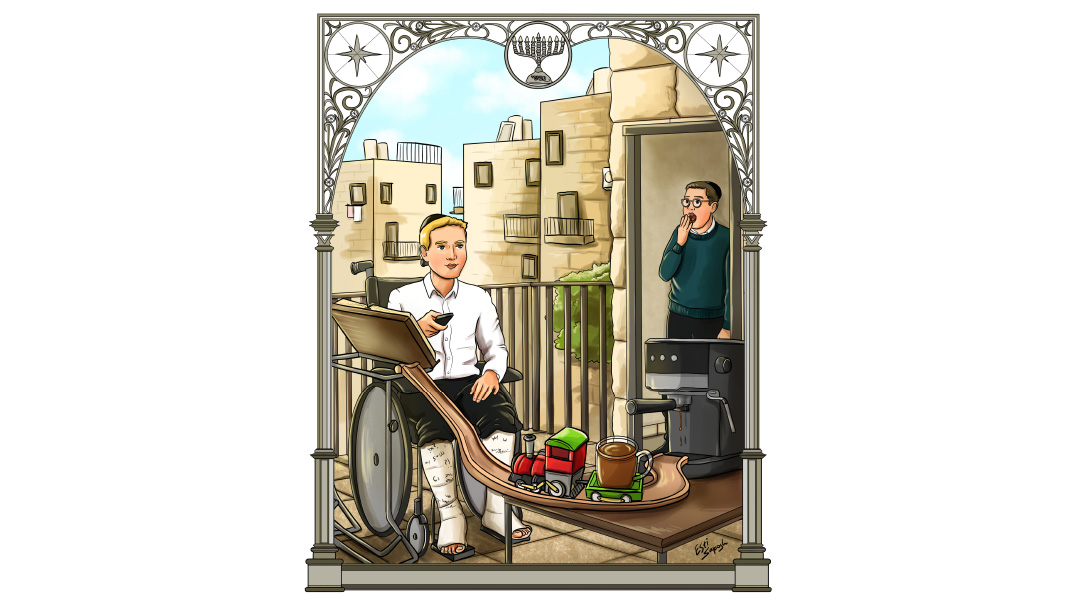
“We might want to rethink ‘outlets’ as something optional for children in mainstream yeshivos and begin relating to them as fundamental needs”

Screen Safer is a great column that provides a nuanced picture of the delicate balance that parents, children, and educators need to maintain while navigating the challenges of technology. But I agree with last week’s letter writer “Don’t Perpetuate Stereotypes” that while the advice in the column was clearly based on real principles of chinuch and common sense, it’s somewhat concerning for a technology specialist to become the parenting advisor, spiritual guide, and psychologist — all against the backdrop of “Give in to the need for smartphones, or your child will go off the derech/your relationship with your child will deteriorate, etc.”
There are many happy, thriving, connected families where parents have held tight to their values and not allowed/enabled their children to have smartphones — and have simultaneously maintained beautiful relationships with their children. Yes, there’s a lot of work involved, as there always is in any relationship, especially between parents and children. But that doesn’t justify the very real, albeit mistaken impression given that parents should be cautioned against holding strong to these principles.
Parents should know that there are many happy, thriving families where parents have managed to follow a very different path, and it may be valuable to invest effort connecting with them and getting an inside glimpse at how they live their lives, and the work they’ve put into relationship building.
Chaya
One of the letters in response to the Double Take on seminary applications brought up the topic of ingratitude. As an example, the writer suggested that children who were lucky enough to escape the horrors of the Holocaust on a Kindertransport would cross the road to avoid Rabbi Schonfeld. The letter left me shocked. I don’t understand how you could print such lashon hara; it is libelous to both those survivors and the late great rabbi himself. I find it shocking that Mishpacha’s excellent editorial board allowed something that was maybe said once and can be taken out of context to be printed.
Create a free account to keep reading.