Zeal, and Old-Time Appeal,Walking down Rechov Meah Shearim in their striped caftans, they seem to be symbols of peace and simplicity. Yet they are often portrayed in the media – whose attention they shun – in far harsher colors. Misphacha met with leading figures in Toldos Aharon, for a first-ever comprehensive look at the introverted chassidus.
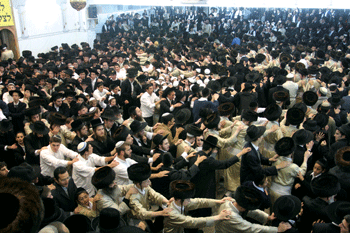

Walking down Jerusalem’s Rechov Meah Shearim and nearing its eastern end where it intersects with Rechov Shivtei Yisrael is like entering a time warp. The streets buildings and the residents seem to have been frozen in the era when this neighborhood was first inhabited some 130 years ago.
Young people stride alongside old men hobbling on canes but all seem united in purpose. Adorned in striped caftans and wide-brimmed hats (called “supers” by the locals) with their white crocheted yarlmulkas peeking out from beneath they forge ahead head bent forward and eyes to the ground.
Across the street a group of sweet young Yerushalmi children amble along in clothes that seem to have survived for a century a thick rich Yiddish dialect rises up from the group.
On this Friday night I turn off of Rechov Meah Shearim and enter a Beis Midrash filled to capacity by Chassidim adorned in golden-striped caftans wrapped in taleisim donned in honor of Mincha and Kabbolas Shabbos in keeping with the Yerushalmi custom.
Create a free account to keep reading.