Sixty years ago revolution erupted in Hungary. As the country convulsed with calls for freedom, the borders were left unguarded, allowing thousands to flee. Among those were 20,000 Jews, with prayers for a better future on their lips they fled into the dark night. Where are they now?
Photos: AP
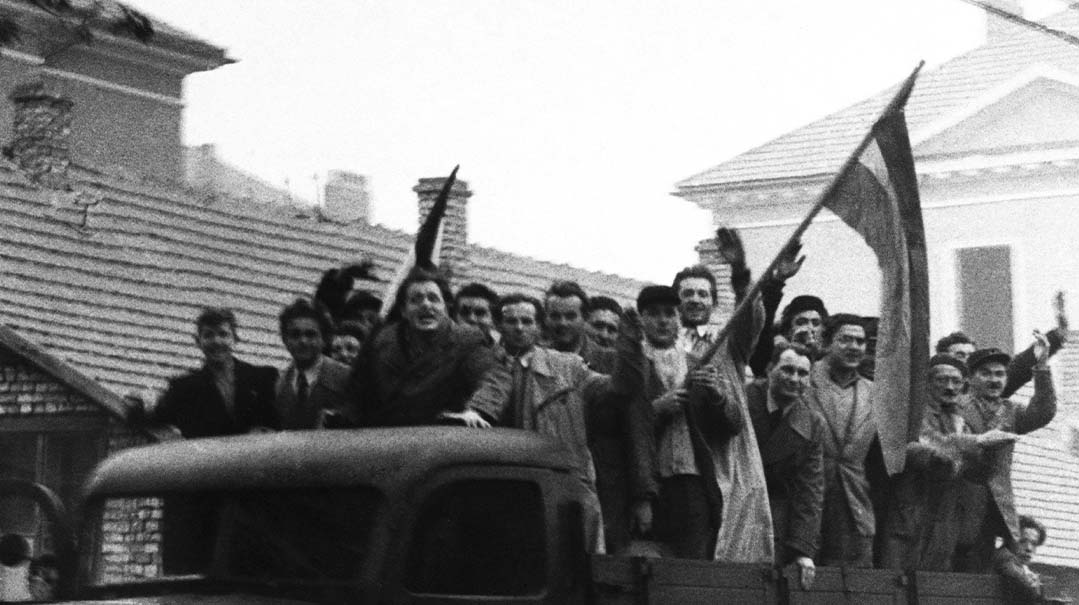
This October 23 marks the 60th anniversary of the Hungarian Revolution, a date that’s now a national holiday in Hungary. For Hungarians, it marks a brave but failed effort to rescue their country from the vise of Communism. For Jews, it marks something more: the uprising opened a brief window for 20,000 Jews to flee the country, as borders were left unguarded in the confusion.
The revolution was the result of the geopolitical arrangement after World War Two. In 1945, Hungary became a satellite of the Soviet Union, led by Matyas Rakosi (a Jewish Communist). Under his reign of terror, thousands were arrested, tortured, imprisoned, tried, deported, or executed by the secret police. The general misery was compounded by the Communist economic system, which resulted in hyperinflation, food shortages, and a dearth of housing and jobs.
The US had intimated that it would provide aid if the Hungarians sought to break away. In October 1956, students and supporters in Budapest rose up and declared demands for change. Some 20,000 people marched through the city to the Parliament building, toppling a statue of Stalin along the way. When a group of students entered a radio building, hoping to broadcast their demands, they were detained inside. This set off demonstrations outside, and police began firing on the crowd. Riots and violence followed.
The insurgents almost succeeded; by the end of October, they’d declared a new government, led by reformist former prime minister Imre Nagy. Hungary withdrew from the Warsaw Pact binding it to the USSR, and disbanded the secret police.
Create a free account to keep reading.