Rav Leib Malin was a young talmid in prewar Mir when he heard the words that would become his mission
It was the summer of 1940 in Lithuania. The students of the Mir Yeshivah, who had escaped from occupied Poland, were in turmoil. The Soviet takeover of the region meant that their lifeblood — Torah learning and observance — was in imminent danger. Yet a savage war was raging. How could they risk leaving their refuge and incurring the very real possibility of a punishing Siberian exile?
Then, from amid the confusion and uncertainty, emerged a voice of clarity. A small group of talmidim — bearing no official titles but accorded respect and deference by the entire yeshivah — had determined that the yeshivah could not remain in Lithuania, subject to antireligious Soviet domination. They had to escape. And they had to escape together, as a single unit.
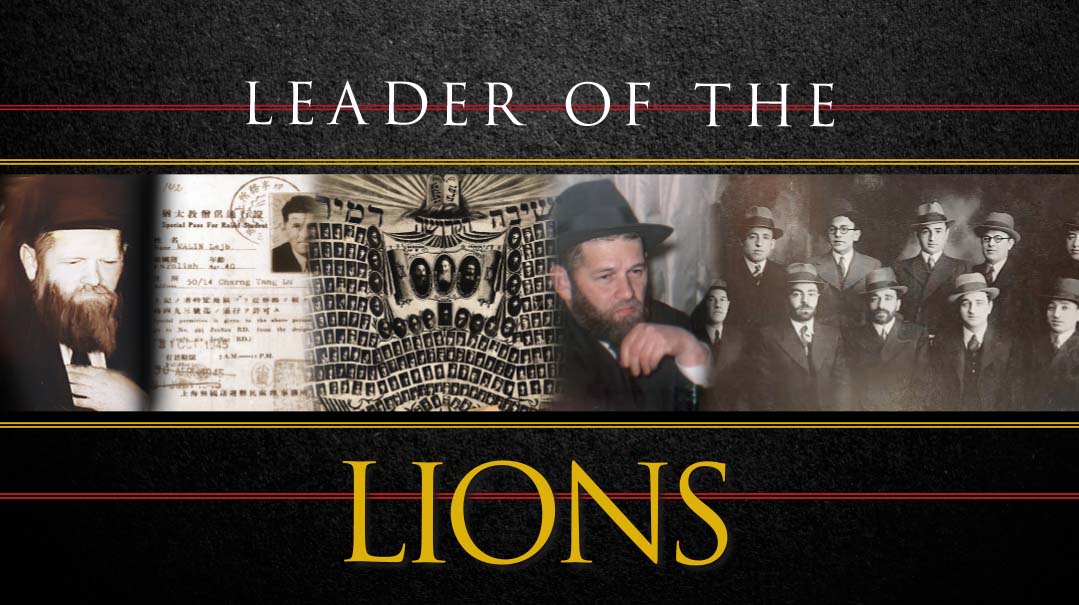
The vision, the authority, and the tenacity behind the escape plan traced back to a talmid who was the “leader of the lions.” He was unmarried and clean-shaven and held no official position. But Rav Leib Malin had long gained renown as a leader. And with the ensuing decades, he would demonstrate his capacity to build, save, preserve, and recreate the essence of the yeshivah.
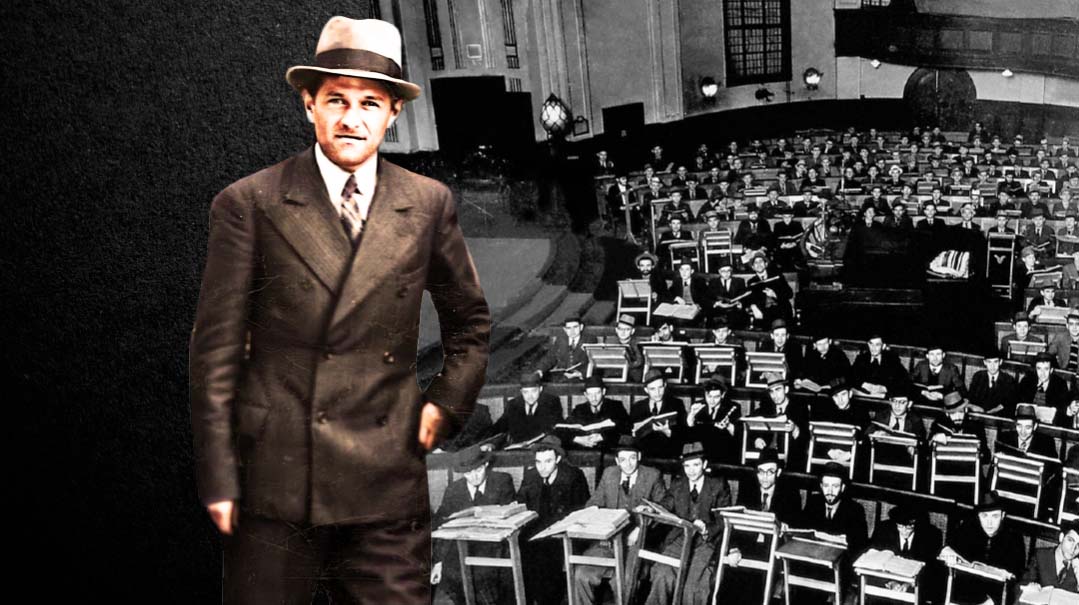
Rav Aryeh Leib Malin, widely known as “Rav Leib,” was born near Bialystok in 1906 to Rav Avraham Moshe Malin, who served as the local dayan. The Malins originated in Brisk, where Rav Leib’s ancestor, Rav Isser Yehuda Malin, was one of the town’s rabbinical leaders. Young Leib Bialystoker began to gain repute as a serious Torah scholar during his formative years in Grodno’s Shaar HaTorah Yeshivah. “Just as one breathes air, we breathe Torah in Grodno,” was the mantra during the yeshivah’s interwar golden age. It was in this environment that he quickly made a name for himself, as he gravitated toward the rosh yeshivah, Rav Shimon Shkop.
Create a free account to keep reading.