As a new year dawns, what did we learn — and how have we changed?
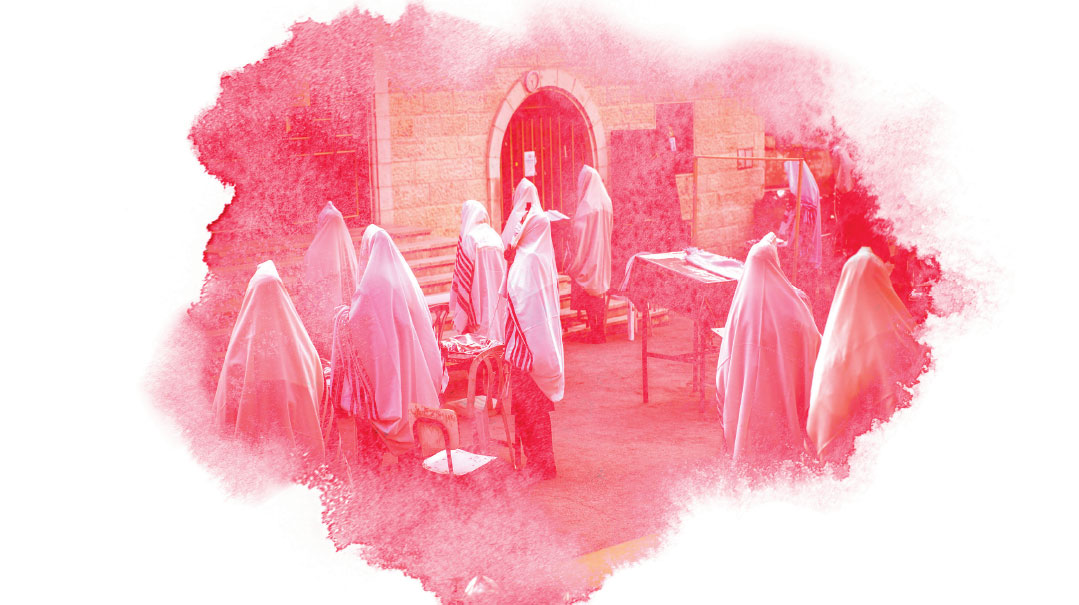
Last year I was sure that as a mother with a demanding schedule, I would jump at the prospect of davening in shul. On the rare occasions I was obliged to make it work, like for shofar on Rosh Hashanah or maftir of parshas Zachor, I savored the thunderous ameins, the roar of yehei shemei rabbah that crested and dipped like a raging tide. And if I managed to snatch a Bircas Kohanim, the sublime chant of “yevore-che-chaa-aah!” pierced my core, as if uttered by Ahron Hakohein himself.
Then the coronavirus brought shul to me. Suddenly my alarm clock was superfluous; the corona-minyan outside my bedroom window woke me in the morning with a hearty amein, or a throaty Kaddish, or (on particularly sleepy days) chazaras hashatz. My kitchen window became a portal to prayer; I prepped dinner to the cadence of Minchah and cleaned up to the chanting of Barchu. Krias HaTorah, Kabbalas Shabbos, amein yehei shemei rabbah — I could participate in virtually any tefillah betzibbur I wished! Except that to my astonishment I found that frequently, I did not want to.
I found that when the 16th amein of the day trilled up through my window, be it thunderous as a volcano, I was no longer moved. Same for the resounding yehei shemei rabbahs. And while relaxing on the couch with a book, I was loath to jump up and join the tzibbur outside my living room for Minchah. I would daven later when I finished the chapter.
In a moment of mortifying honesty, I discovered that I didn’t love shul as much as I had thought.
Create a free account to keep reading.