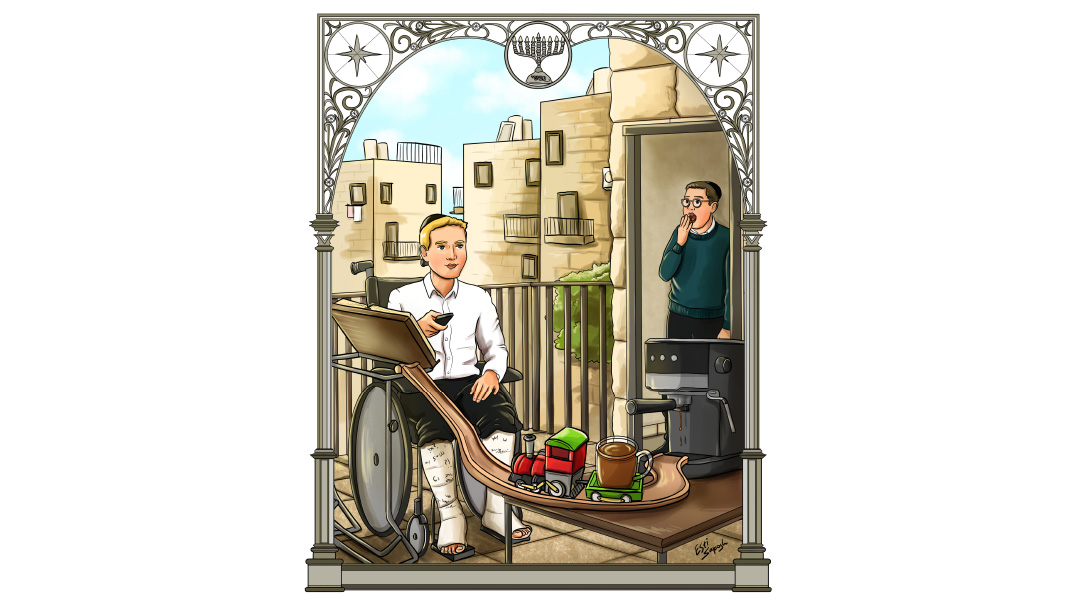
Is there realistic help for “long Covid victims,” or are they destined to continue stumbling through their days in a haze?

“I had no fever, just aches, fatigue, a runny nose and cough, and shortness of breath,” she says. She lost her sense of smell and taste and was under the weather for three or four weeks.
She tried returning to work a month later, at the end of April, but after just one day on the job, she felt awful and achy all over. When the symptoms persisted, she was forced to take medical leave from her job. Her school-age children were home, and her husband, who works in the medical field, wasn’t usually available, so she didn’t get much respite. Adina found herself deeply exhausted and suffering from brain fog and neuropathy (tingling and shooting pains in the feet). A doctor ran blood tests and found her liver enzyme levels had shot way up, although an ultrasound of the liver didn’t find any abnormalities. By June she’d consulted a neurologist for the disturbing brain fog and neuropathy.
“At the beginning, you feel you must be going crazy,” Adina says. “But these symptoms are very real.”
A nurse by profession, she works at Mount Sinai Hospital, which has a clinic for “long Covid” sufferers. She booked herself an appointment, and providers there gave her medication for the neuropathy, the brain fog, and the increased anxiety she felt.
Create a free account to keep reading.