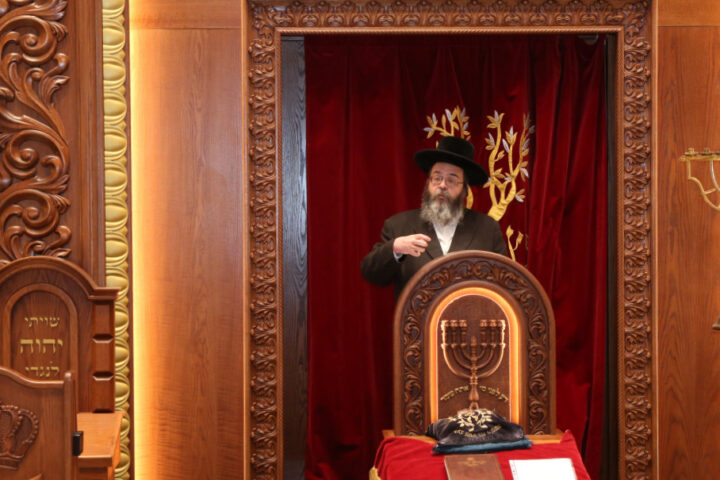
As we mark one year since the pandemic changed our lives, we asked you to introduce us to your COVID heroes

My father, who lived in New York, was hospitalized on Purim. From that time until his passing on Motzaei Pesach, our family lived through a roller coaster of hope and despair. Israel was in a strict lockdown at the time and the inability to daven with a minyan, say Kaddish, or receive shivah visitors, added to the emotional stress.
After a tear-filled, lonely Shacharis that first morning, the government released new regulations allowing outdoor minyanim, limited to ten men. My neighbors jumped into action and immediately organized a minyan outside my house. Shivah was arranged outdoors, in my backyard, where two visitors at a time could be menachem. One neighbor noticed how the sun was beating down on me and promptly put a shade over the pergola. Another dragged over an outdoor umbrella. The gratefulness and warmth I felt toward my neighbors was overwhelming, and when I tried to express my appreciation, they shrugged it off. Kachah shechenim osim — that’s what neighbors do.
The week passed in a whirlwind, and the indifferent cordiality I had for my neighbors transformed into something I couldn’t quite name.
Right after Rosh Hashanah, I tested positive for COVID, and moved into our basement to quarantine. I resigned myself to not having a minyan, thinking that the virus that had taken my father would also prevent me from saying Kaddish for him during the Aseres Yemei Teshuvah. But once again, my neighbors moved into high gear: I was informed that minyanim would be held right outside the basement window and I would be able to continue to say Kaddish!
Create a free account to keep reading.