What precisely might be the “day-after” solution? International peacekeepers? We saw how well that worked out in southern Lebanon, where their presence has failed to deter Hezbollah in any respect from establishing total control. A revived Palestinian Authority, leading to a two-state solution?
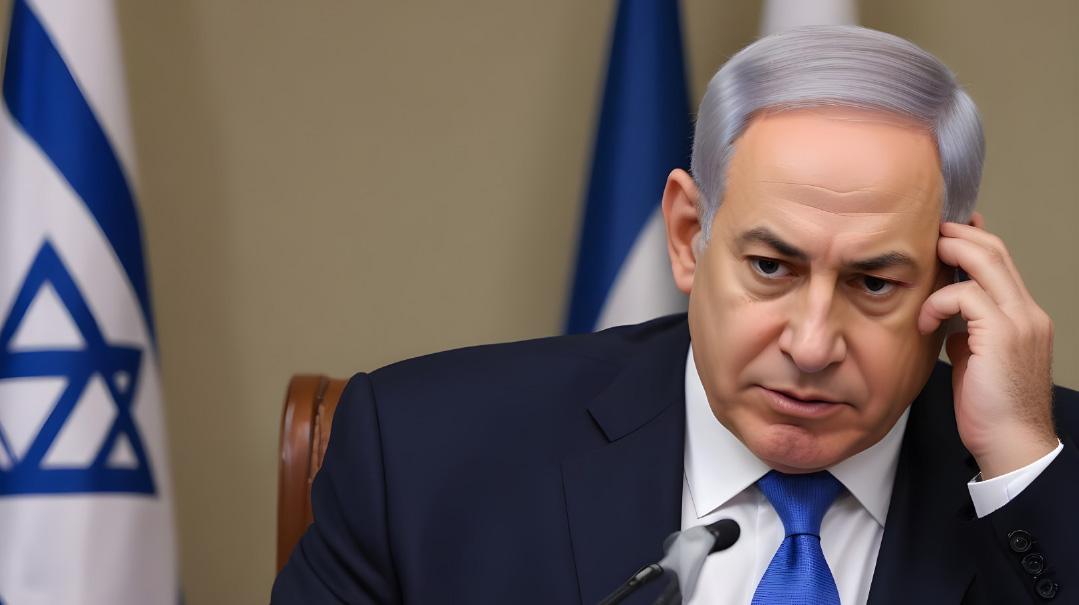
Since October 7, there has been a never-ending chorus of voices calling for Prime Minister Binyamin Netanyahu to accept responsibility and resign or call for new elections. Those calls have reached a crescendo since the resignation last month of the head of the IDF’s Military Intelligence Directorate, General Aharon Haliva.
At the outset, it is important to note that the nature of the responsibility taken by Haliva and that being urged upon Netanyahu, as head of the government at the time of the horrors of October 7, are very different. As Haliva admitted in his letter of resignation, he and the intelligence directorate under his command failed with respect to the most important part of its mission: to warn of an impending attack. His responsibility was operational, not ministerial — i.e., he failed in a clearly defined task.
In a similar vein, the commission of inquiry likely to be established when the current war ends will focus, in part, on why it took the army so many hours to confront the terrorists who crossed the border into Israel, and why it was left to so many private citizens to grab their rifles and head south long before there was any military response. That is a clearly defined failure.
Netanyahu’s responsibility is of an entirely different nature. It is ministerial responsibility for things having gone awry while he was prime minister. True, other prime ministers have resigned in similar circumstances, most notably Golda Meir after the Yom Kippur War. But it is not required. Netanyahu has not been found incompetent with respect to a clearly defined and crucial task.
Create a free account to keep reading.