A small number of swing states will be critically important in choosing the next president of the United States
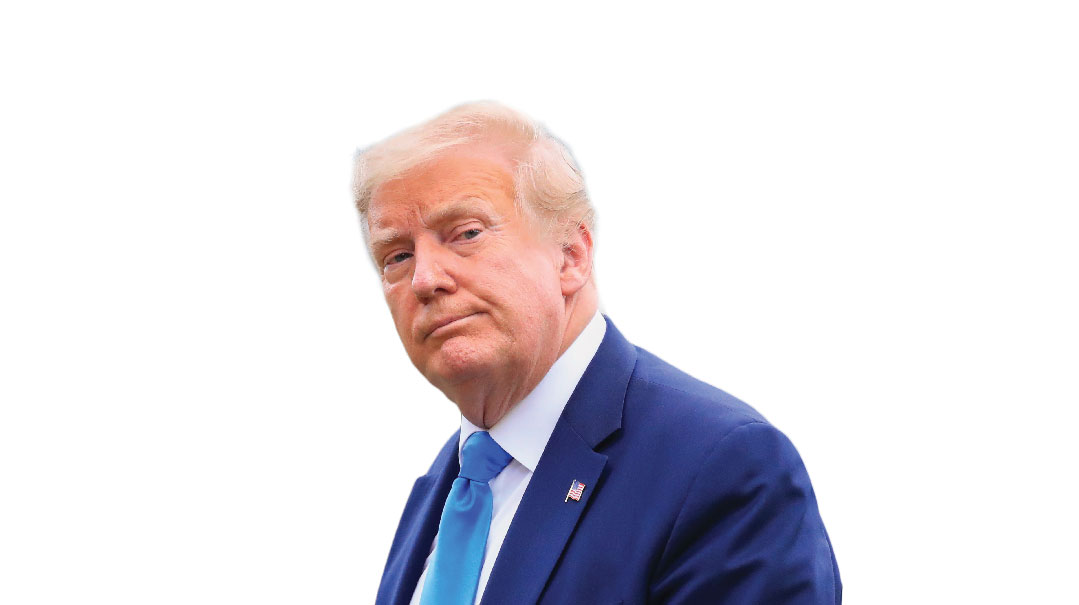
Both candidates have a shot at winning, but their chances rely on very different coalitions. Trump’s coalition — narrower, but more enthusiastic — boils down to non-college-educated whites and conservative and religious voters, especially evangelicals. Biden’s coalition is bigger but more divided. While many African American supporters see racial justice as the most important issue of the campaign, other groups in Biden’s coalition view economic issues such as health care and education as the primary concern.
Paradoxically, Trump is the only thing keeping Biden’s coalition together. Biden doesn’t command deep enthusiasm for his own candidacy, but all his supporters share a keen desire to send Trump home.
Trump, for his part, is hoping to drive a wedge between the different parts of Biden’s coalition. His law and order message is a way of bringing Democratic divisions to the fore. Trump often tells suburban voters that as president, Biden would be soft on crime, and their neighborhoods will be less safe. Anti-Trump sentiment among suburban white women is a stumbling block for Republicans. To win, Trump will have to make stronger efforts or present a more moderate approach (and persona).
Another crack in Biden’s coalition comes from Amy Coney Barrett’s nomination to the Supreme Court, and the Democrats’ threat to pack the court with liberal justices. Many swing voters are turned off by this rhetoric, which translates to a break with 200-year-old political norms. Biden’s tactic has been to try to dodge questions on it, but the further he digs in with refusing to give a straight answer on whether he’ll pack the court, the bigger the issue becomes. If he persists in this approach, he’s liable to lose support from moderates.
Create a free account to keep reading.