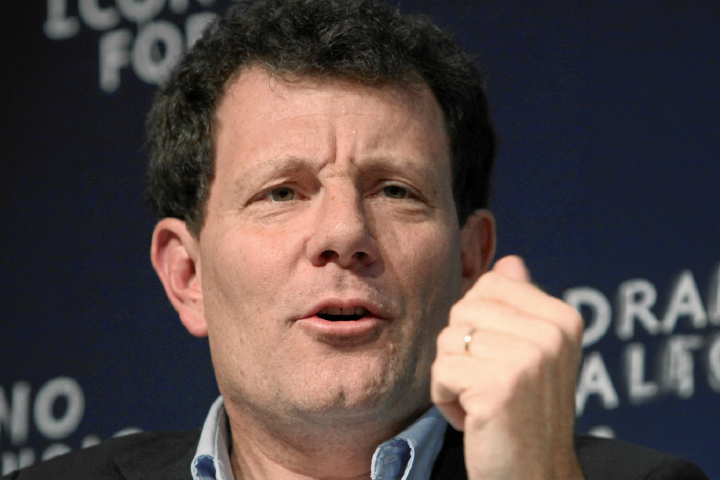
Maryland Governor Larry Hogan sits for a Q&A
But he’s also something of an outlier in his own party. Championing what he calls “traditional Republican values,” he briefly toyed with the idea last year of mounting a primary challenge to his party’s president. The hopes of “Never Trumpers” nationwide were dashed when he decided to heed his wife’s advice and make good on his commitment to serve as Maryland’s governor.
In the meantime Hogan maintains strong approval ratings and has won generally high marks for how his state has weathered the coronavirus pandemic. He has overseen a gradual reopening plan for Maryland’s economy as COVID statistics have stayed within certain benchmarks. He has delegated authority to local officials — but has not been afraid to overrule them if he feels they have overstepped their bounds.
That is what happened in early August when chief health officer Dr. Travis Gayles of Montgomery County (the state’s biggest jurisdiction, largely a suburb of Washington, D.C.) issued an executive order closing private schools until October. (The public schools had already announced they would offer only online instruction.) Gayles claimed justification for the order because “the data does not suggest that in-person instruction is safe for students or teachers.”
Governor Hogan stepped in almost immediately and blocked Gayles’s order. “Private and parochial schools deserve the same opportunity and flexibility to make reopening decisions based on public health guidelines,” the governor announced in a statement. “The blanket closure mandate imposed by Montgomery County was overly broad and inconsistent with the powers intended to be delegated to the county health officer.”
Create a free account to keep reading.