The unsung craftsmen who give albums their special touch
T
he mixing engineer usually gets just one line on the album cover, but that short phrase represents no small amount of skill, and often hard work too. Once the songs have been sung, and the strings, percussionists, and wind instruments have all had their studio slots, it’s time for all the raw recordings to move on to the mixing studio, where a mixing engineer will listen to each track (usually between 50 and 100 of them) and adjust frequencies and volumes as needed to create the finished product.
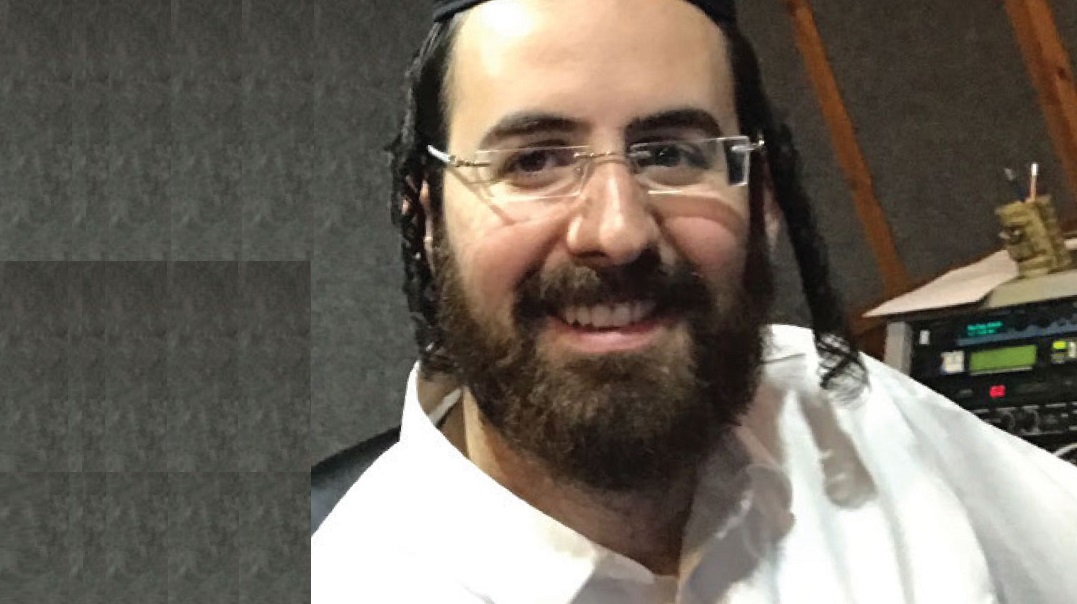
Working behind the scenes on many contemporary Jewish hit albums and singles, engineer Chaim Gottesman discusses the evolving role of the mixer, and his own journey. “I learned a lot about music when Michael Tzy and I set up Tenor Studios in Bnei Brak, a recording and mixing studio. I was pretty young then, and we learned the basics of musical engineering. I spent endless hours practicing and trying things out. I picked up new concepts and we expanded the studio’s capabilities, so that there were nights when I actually fell asleep on the studio floor,” Gottesman says.
His first major project was mixing the album Asicha, which was released by Reb Pinchas Bichler of Malchus Choir, and Tzvi Blumenfeld of Freilach Band, for the Sanzer chassidus. He’s still learning, though, he says, from each professional and artist with whom he collaborates. Because like music itself, the art of mixing changes and develops with the times.
“There are two approaches to mixing,” Gottensman explains. “One is a very technical approach, which aims to iron out glitches and potential conflicts in the tracks in order to get the mix ‘right.’ The other involves a creative mindset, where the mixer sees the tracks as a raw material that he can work with to bring out the soul of the song in the clearest or most creative way.”
Create a free account to keep reading.