"Introducing new niggunim can actually take away from that feeling of passing on the mesorah of Yetzias Mitzrayim to the next generation"
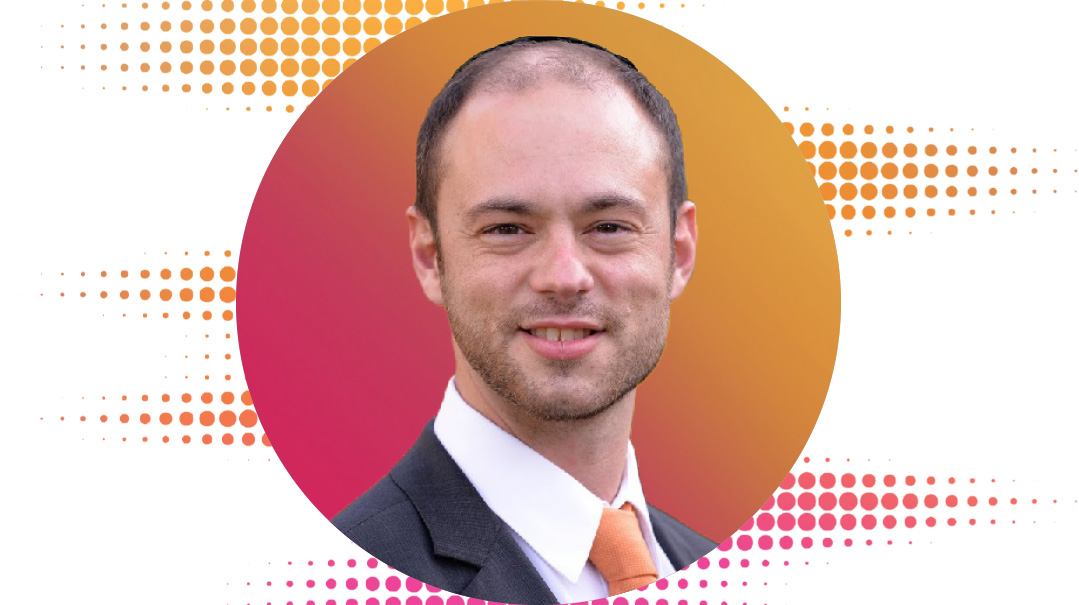
I was 17, and my brother Eli just 13, when we decided to record a few of our own compositions together. Eli played the drums, I played piano, and we both sang our own compositions together with Chaim Dovid’s “Yamamai.” My brother still had a great child voice and was the star soloist, while I was the semi on/off-key harmony guy. We were pretty impressed with how we sounded at the time, although actually, it sounded terrible. Still, it was a great experience and a lot of fun. Today Eli is a sought-after professional, recording in his own place, Lemata Studios in Toronto. The last Marvelous Midos Machine was recorded there.
Actually, I get bored of just about any song if I listen to it over and over too many times. If it’s really authentically musical and a good enough song, though, I will be able to come back to it at a later point in time — and listen to it over and over again until I get sick of it again.
“Baruch Hagever,” that old beloved classic. It has a very simple chord structure for both the low and high parts that is really easy to work with.
I’ll always remember the first wedding I played, back in Toronto with the Zemer Orchestra. It was a small wedding with a four-piece orchestra where I played the keyboard and bass. There were a few special songs requested for the chuppah, which I practiced for hours, hoping I’d impress Chayim Rubin, the band leader. Reading the music notes live during the dance sets was a real challenge at first, but I found it so invigorating at the same time. Locking into great grooves with very talented and experienced musicians definitely upped my level of play, and I have a lot of hakaras hatov to Chayim Rubin for giving me that opportunity.
Create a free account to keep reading.