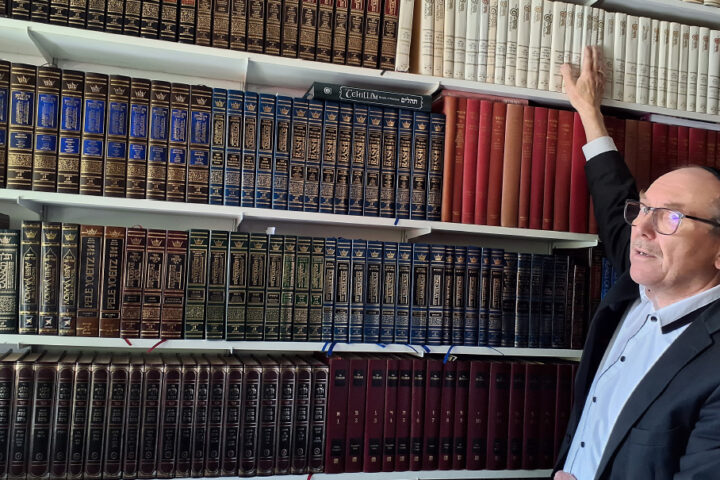
Rabbi Elisha Klausner is a longtime rebbi in Chicago's Telshe Yeshiva, as well as a popular baal tefillah and music lover
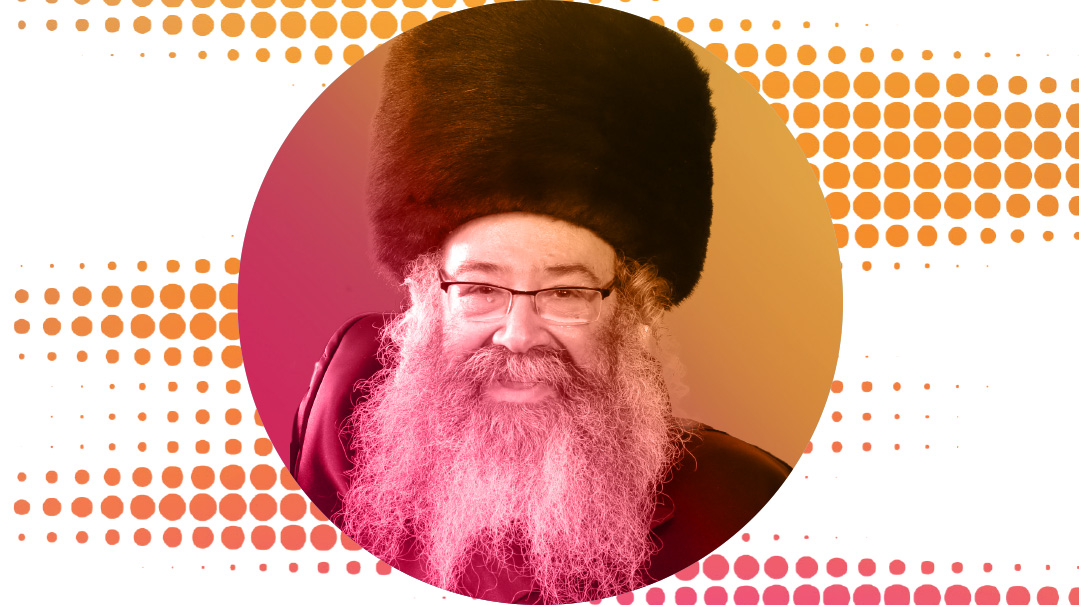
During Elul, Hashem has “come down” among us, and at this time He responded to the tefillos of Moshe Rabbeinu, who ascended and davened for Klal Yisrael to be forgiven after the sin of the Golden Calf. Any niggun connected to the world of teshuvah, like “Hashiveinu Hashem Eilecha Venashuvah,” can revive our neshamos and connect us to higher places.
The song, “Ani Yesheina Velibi Er” (“I am sleeping but my heart is awake, the Voice of my Beloved is knocking”) is also extremely relevant to this time, as we try to find that little crack and open the door toward Hashem.
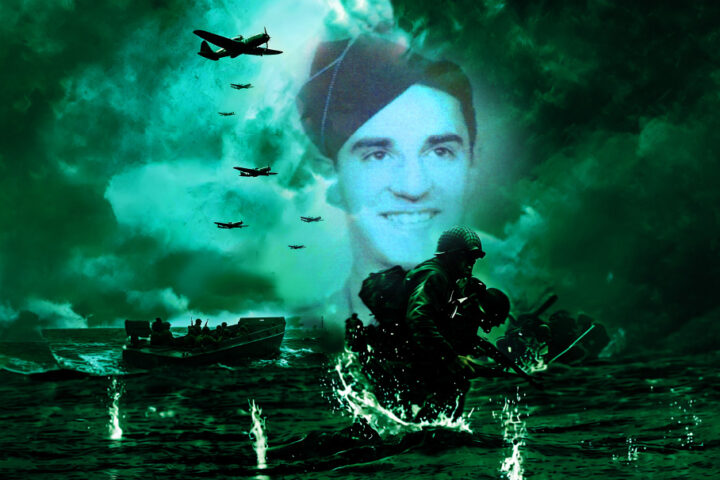
Any song from the first two Pirchei albums in the 1960s, Yibaneh Hamikdash and Eilecha Hashem Ekra — songs like “Shokah Chamah,” “Vi Nemt Men,” and “Pischu Li.” There wasn’t much else available then, so we listened to those records over and over.
“Ana Hashem,” by Shlomo Carlebach. Rav Samson Refael Hirsch explains that someone who is thrown into slavery bemoans their bitter fate, but someone who is born into slavery has a completely different worldview — he has utter reliance on his Master. The idea that I was born into Hashem’s service and my Master takes care of me gives me encouragement and security. Other words that bring me chizuk are, “Hatov ki lo chalu rachamecha…,” whether sung in the niggun that came from the beis medrash of Yeshivas Rabbeinu Chaim Berlin, Reb Bentzion Shenker’s version, or the one from Reb Shlomo Carlebach. Hashems’s kindness is endless.
Create a free account to keep reading.