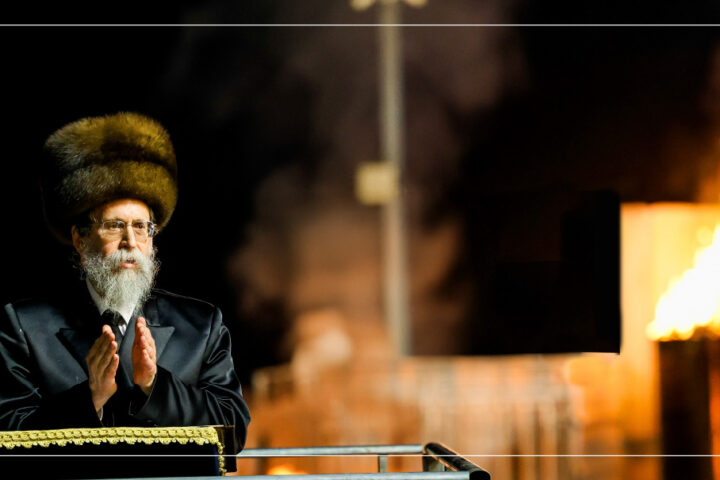
What is true beauty? Beauty is the imprint of the soul on the physical body— the aura and glow that the Torah imprints on a talmid chacham
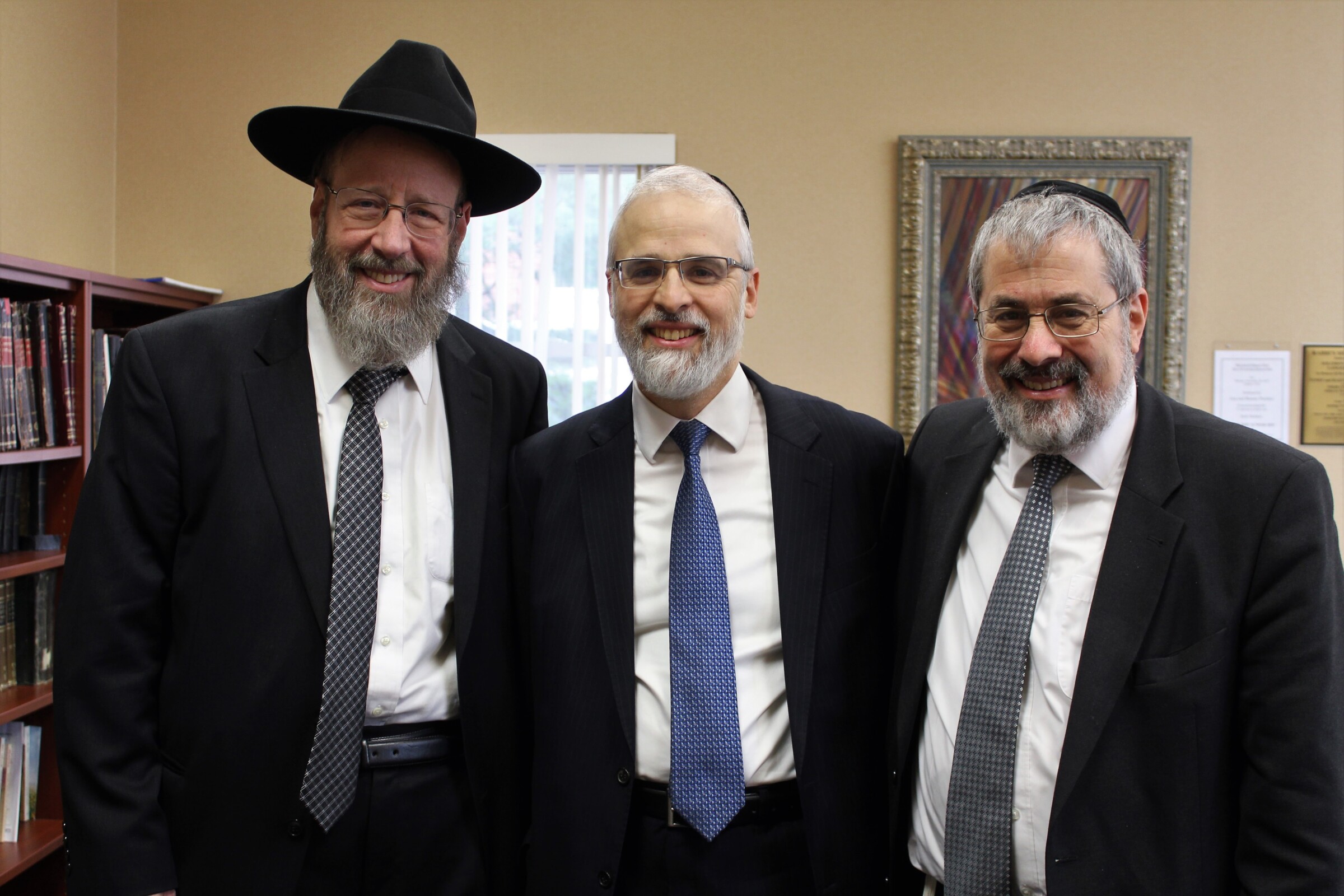
ASI attempt to write this appreciation of Rabbi Moshe Hauer, a yedid nefesh to whom I felt a profound connection, I am still struggling to come to grips with the terrible and incomprehensible loss. The shock of it evokes tears more readily than a thoughtful appreciation, and thus, I can do no more than share these tears with you.
What does this enigmatic conversation teach us?
It teaches us what death does not destroy, and what is it that death does destroy. Spirituality is not destroyed by death. It is eternal. Moreover, spirituality can never even be fully realized in this world. Therefore, we cannot truly mourn a person’s spirituality when he dies; it was never really part of this world. On the other hand, the physical world is certainly not to be mourned, for it is all preordained and may come or go at any time. It is meant to be ephemeral. But there is one thing unique and truly valuable that is only achievable in this world: beauty.
What is true beauty? Beauty is the imprint of the soul on the physical body — the aura and glow that the Torah imprints on a talmid chacham, such as Rav Yochanan. It is a glimpse of that incredible aura that Moshe Rabbeinu’s countenance radiated. It is the mareh Kohein coming off his avodah in the Kodesh Hakodoshim. The potential to convert a physical chunk of flesh and blood into a radiant, luminous countenance is only available here in this world. In the World to Come, spirituality abounds, but there is no physical entity that has been elevated. Only in our world can beauty be achieved, and when that disappears, it is truly to be mourned.
Yedidi v’ahuvi Reb Moshe was beauty incarnate. Every word, every interaction, every expression was filled with beauty and chein. He interacted with so many different types of people from vastly different backgrounds, and they all found his words and thoughts to be true and appropriate. He never deviated from the emes of Torah, but he knew how to present it to each person in their natural language, with the beauty and articulation appropriate to their understanding. When the same Rav Elazar mentioned in the Gemara above praises Queen Esther’s beauty, he states, “Each person who met Esther thought that she was of his nationality” (Megillah 13a).
Create a free account to keep reading.