Venerable individuals still among us share their recollections of personal encounters with yesteryear's giants
Jerusalem, Israel
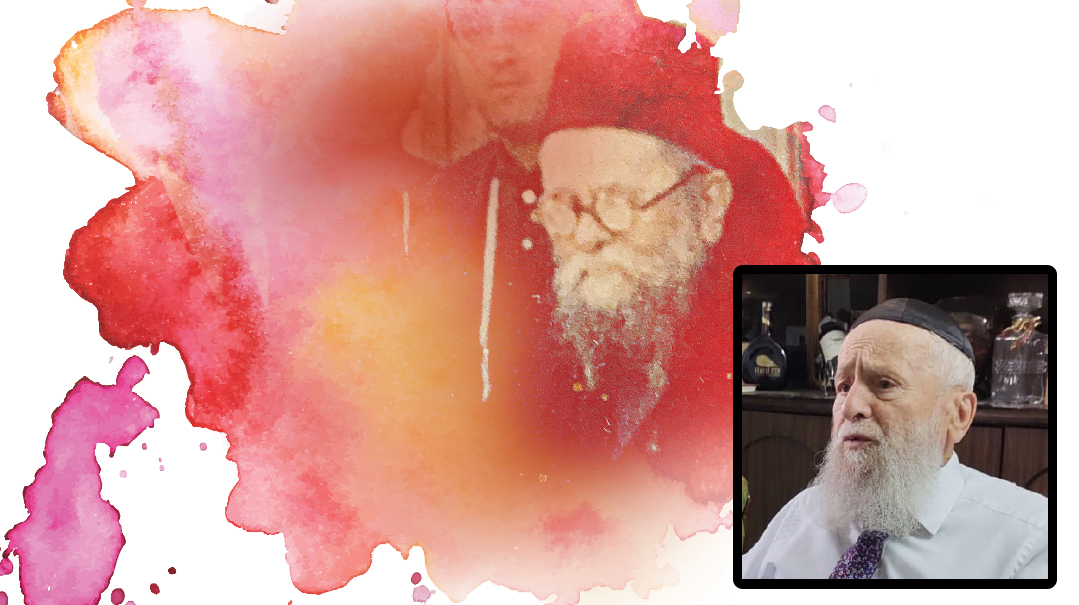
Turn off the traffic-choked Malchei Yisrael Street in Jerusalem’s Geula neighborhood onto Rechov Yosef Ben Matityahu, and you’ll find the imposing structure of Medrash Porat Yosef. This storied yeshivah is almost singularly responsible for producing generations of Sephardic rabbanim, roshei yeshivah, scholarly laymen and Torah leaders. Several buildings away sits Rav David Attieh, son of the personality most associated with Porat Yosef — Rav Ezra Attieh.
Syrian-born Rav Ezra served as rosh yeshivah of the flagship Porat Yosef yeshivah from two years after its founding in 1923 until his own passing 45 years later in 1970. But he was more than rosh yeshivah of a specific institution.
“My father was responsible for the flourishing of Torah and spiritual life in the Sephardic world,” Rav David says. “Everyone revered him. Even as a child growing up in the home, there was a sense of trepidation and veneration — I would tremble in his presence. Even today, the thought of my father guides me in all that I do.”
As a youngster, Rav David was aware of his father’s high standards and worked hard to excel and make him proud. “A rebbi in Porat Yosef is referred to as a ‘Moreh’ — he’s more of a guide than a teacher. When studying with my father, he wouldn’t teach me the Gemara, he’d demand that I come to an understanding on my own. ‘Think a bit more in depth, try again,’ he would say. Then, when I figured it out, he would exult along with me. That’s the type of rebbi he was — more of a listener than a lecturer.”
Create a free account to keep reading.