Will a ceasefire deliver that elusive peace?
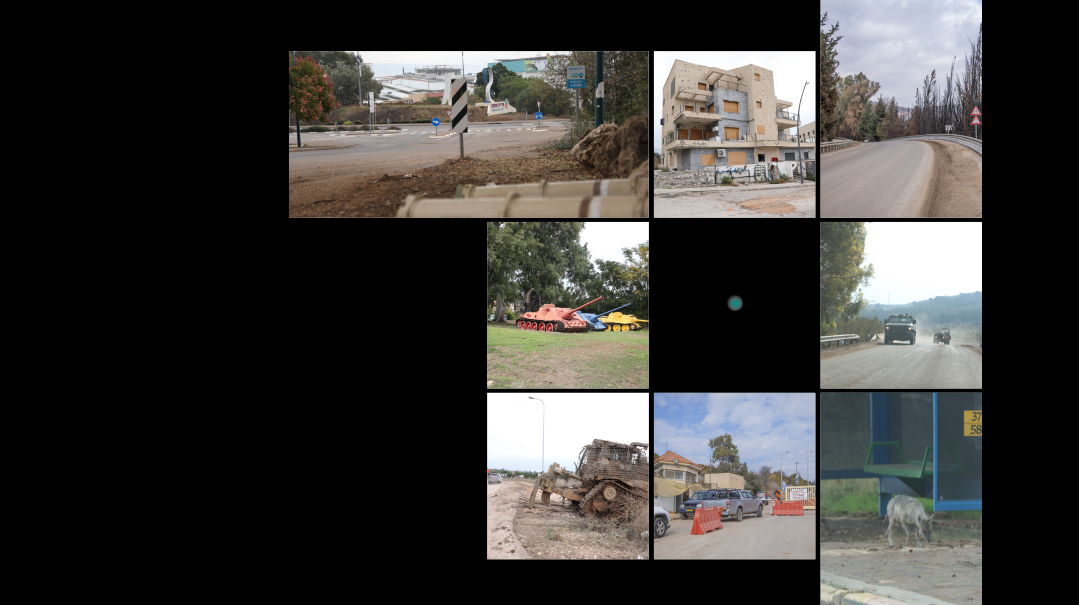
That’s the first word that comes to mind as you travel further and further into the northern Galil. The hills, which in better times were lush and green, are now scorched from the numerous fires sparked by rocket strikes from Lebanon — those that didn’t cause injury because they fell in “open areas.” The chilly weather and the fog shrouding Mount Hermon, typically visible from here, add a somber grayness to the already desolate atmosphere.
Breaking the silence is a lone truck heading south, carrying away a tank. The military forces that over the last year filled the staging areas have all but disappeared. Only the roads reveal traces of the war. The tank treads have left deep grooves, turning once orderly streets into muddy, broken tracks.
Driving on this road without having planned an escape route in case of a rocket alert feels utterly foreign. The freedom to travel without fear is a luxury that we’ve forgotten was once normal.
Entering Kiryat Shmona from the main highway, I half-expected the typical traffic jam at the busy intersection flanked by a shopping center. Yet in Israel’s northernmost city, located less than two kilometers from the Lebanese border, the road is nearly empty.
Create a free account to keep reading.