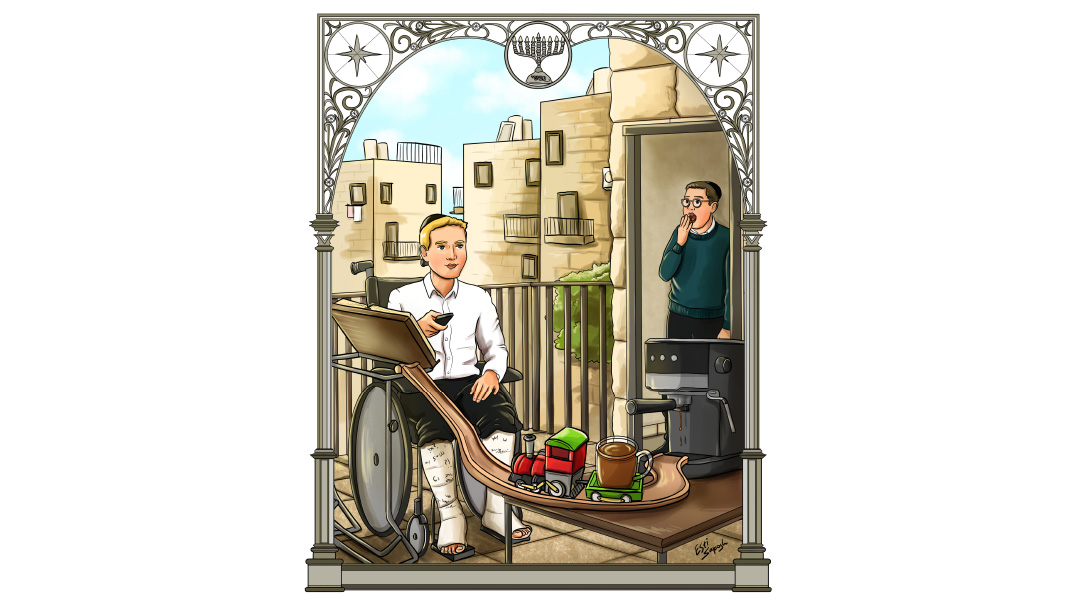
The prohibition of ona’as devarim, “A person shouldn’t aggrieve his fellow,” is violated when one verbally causes another Jew emotional pain or anguish


Prepared for print by Faigy Peritzman
The prohibition of ona’as devarim, “A person shouldn’t aggrieve his fellow,” is violated when one verbally causes another Jew emotional pain or anguish. This is a very serious transgression, since unlike a transgression involving money, which can be repaid if taken wrongfully and thus the situation rectified, pain can’t be removed once it’s inflicted. But playing loud music isn’t a violation of ona’as devarim. The brothers do, however, need to sit down and work out the appropriate decibel level of music they can both enjoy and tolerate.
Although it’s obviously worse if there are other people around, the prohibition of ona’as devarim applies even in the privacy of your own home. If your husband’s intention is to cause you emotional pain or hurt your feelings, then he is violating ona’as devarim. Most often, however, a teaser’s intentions are playful and harmless, and he doesn’t realize you’re not enjoying his antics. Remind him.
If the kids are indeed embarrassed when they’re called by their nicknames, then it is forbidden for anyone to call them as such, even if the one doing so is their otherwise beloved grandmother. Since it’s obvious that the grandmother is clueless as to the harm she’s inadvertently causing, she should be told, gently but firmly, to desist from calling the children names that embarrass them.
We can never be completely sure your relative won’t pay attention to the message. As long as he doesn’t react in a disparaging or forceful manner, there’s nothing wrong with conveying to him the truths of the Torah and the beauty of a frum life. Sometimes it can take many years for results to be seen, and sometimes they never materialize, but we’re still not exempt from trying.
Create a free account to keep reading.