The Herszaft family’s miraculous survival
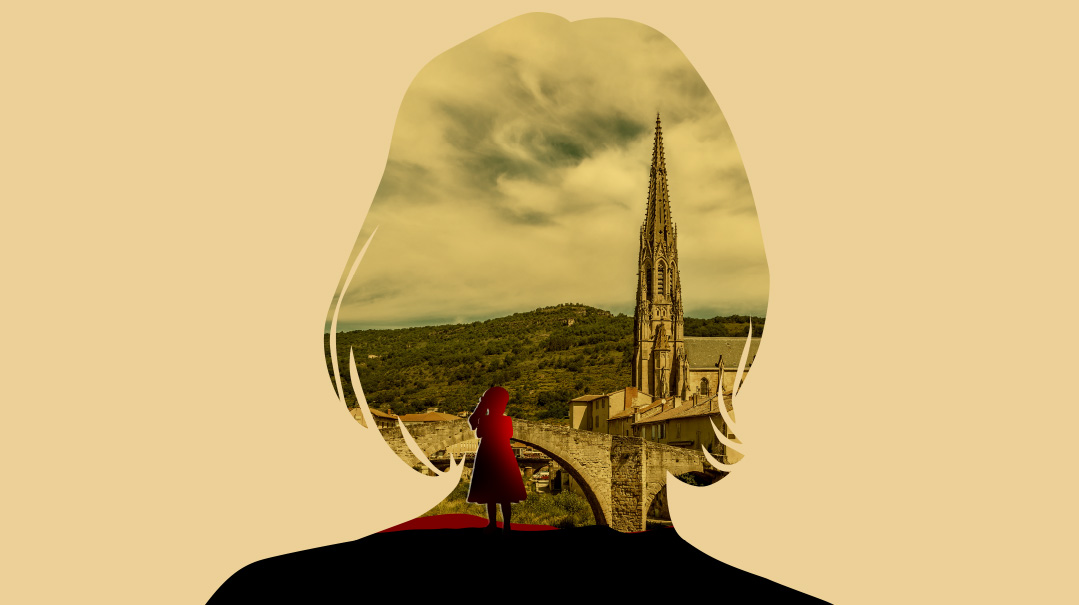
Iwas just six in May 1940 when we heard that Belgium had been invaded and the Germans were coming. We lived in Antwerp, where I was born and still live today, in a kleineh apartmentche on Wipstraat, one block away from the famous Kleinblatt bakery. My father sent me to check if Yesodei Hatorah, my school, was open. It wasn’t. He realized war had reached Belgium and that we needed to flee.
Relatives of my mother were in the coal business, and we piled onto their coal truck to get away. Actually, a lot of people were willing to pay to get a ride to safety on that truck, but my mother’s relatives said we would be among the lucky ones, even though we couldn’t pay. I think this was because of all the kindness my parents had done for the Jewish refugees from Poland and Czechoslovakia fleeing Hitler, who had streamed into Belgium during the years before the war reached us.
These people had nowhere to be, and my parents took them in. As long as there was sleeping space — even on the floor —people were welcome, and whatever money my father made from his work as a photographer went to buy food for all these guests. My parents’ rule always was, “If we have food today, we share it today, without thinking about tomorrow.”
Sometimes there wasn’t enough money for food. If my mother didn’t have any fish to cook for Shabbos, she would put up a pot with just water and onions, so her mother-in-law wouldn’t realize there was no fish.
Create a free account to keep reading.