They’ve been blessed with amazing talent,yet standing in front of a sea of excited, adoring fans,they wonder how much else,besides the music,they’re expected to give.
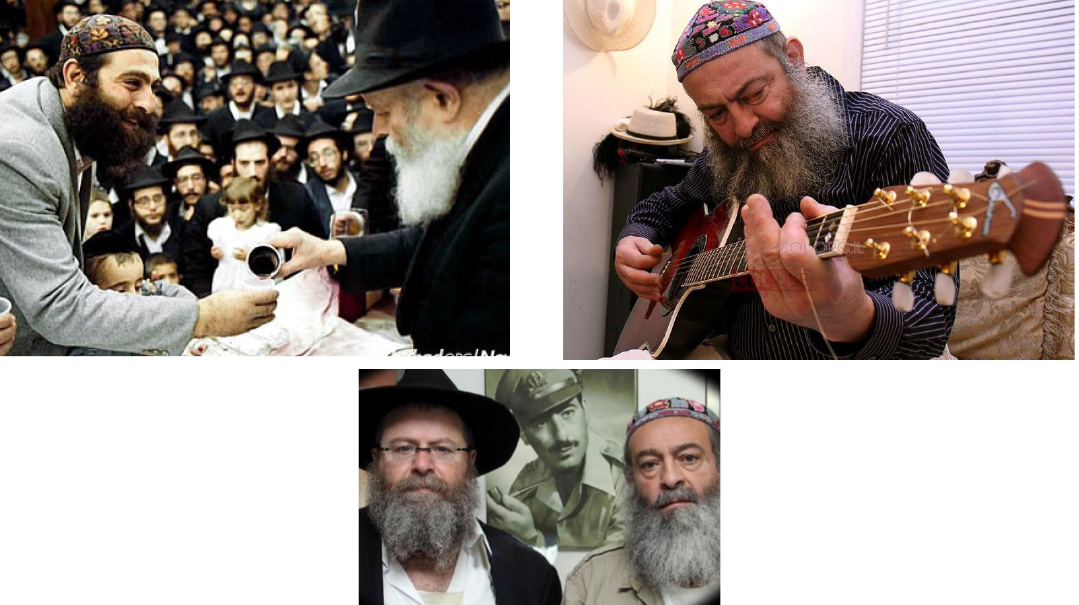
Naftali Kempeh grew up in Tifrach, a simple litvish yeshivish community in Israel’s south. And although “becoming a singer” wasn’t on his early radar, today he’s a beloved kumzitzer and composer, giving concerts around the world, and having released seven albums in as many years, with songs that have become universally popular.
A bochur who learns in a “top yeshivah” in Kiryat Sefer once called me and asked if we could meet up. The next time I performed in Kiryat Sefer, he came over to me afterward, and shared that although he had always learned well, he had recently been through a disastrous winter zeman. The zeman had seemed endless to him, the masechta very hard, and he had lost his desire to learn. Instead of going to the beis medrash, he was sleeping long hours and staying in bed for even longer, doing nothing. This was not long after my second album, Ana Eilech, was released, and he had discovered my song “Lev Nishbar,” about how Hashem is close to those with broken hearts. He listened to that over and over, and in his words, “It brought me back to the beis medrash.” He gave me a gift, two notebooks filled with the chiddushei Torah on Yevamos that he’d written toward the end of that zeman. He attributed that Torah to the power of the niggun.
Last Chanukah, I did a show at Heichal Hatarbut in Yerushalayim. I said something about how, although Klal Yisrael is in the middle of a painful war, we each still have plenty of personal gifts to be grateful to Hashem for. Even while we deal with war and fear, we have families and homes and parnassah and those basic things we need.
After the show, I got a call from someone. He said, “I’d just like you to know that I came to the concert along with a forty-year-old single bochur. What you said was hurtful to him, because he doesn’t have a home or a wife and family.”
Create a free account to keep reading.