I’ve had a front-row seat witnessing and being part of the changes in the trade over the years
Having been in the studio recording business for a good few decades, I’ve had a front-row seat witnessing and being part of the changes in the trade over the years.
While I wasn’t around in the 50s and early 60s, I can tell you that recording back then was really not much different than recording a live event. All the musicians with their instruments, all the singers, all the choirs and vocalists had to be in the studio at the same time. The engineer would push the record button, and the singers and players would have to perform the entire song flawlessly. If somebody went off key or confused some lyrics, the entire song had to be rerecorded. MBD once told me that the engineers in the studios back then were always amazed by how his father, Chazzan Dovid Werdyger, always got it right the first time. They used to say that “The Cantor” was the quickest recording artist they had ever seen.
Those who were skilled to perfection could record an entire album in several hours, while others were busy over days and weeks. Dovid Werdyger’s musical conductor, Yaakov Goldstein, played a major part in his recordings, as he, too, played flawlessly and didn’t require extra takes. When it was all done, a good engineer could add reverb, echoes, and sounds to polish the end result and make it sound better. Aside from Dovid Werdyger, artists such as Shlomo Carlebach, Benzion Shenker, and Jo Amar, to name just a few, recorded in such a fashion in those days.
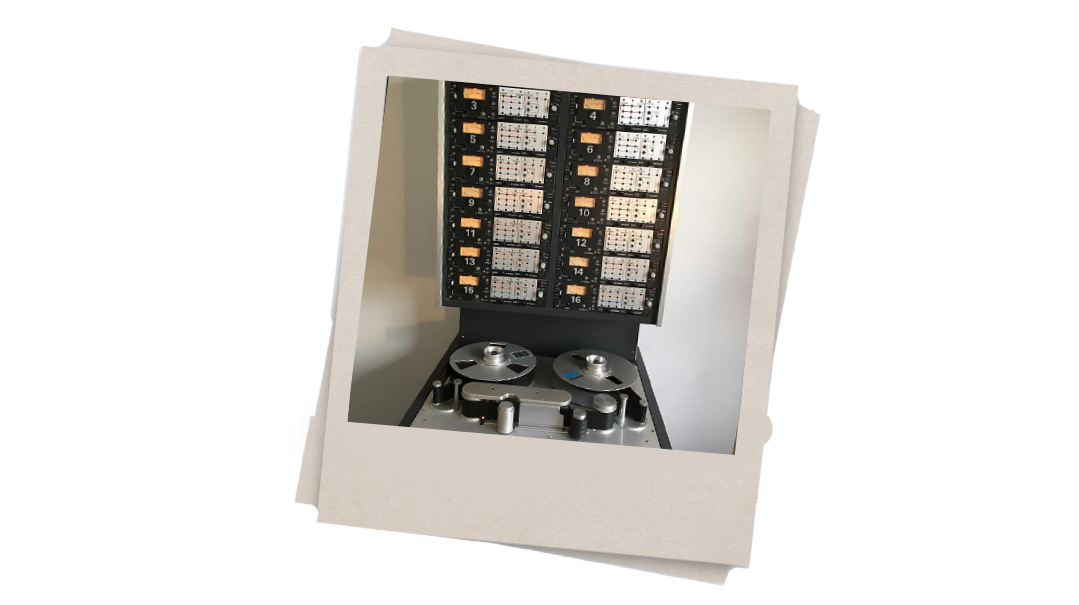
By the mid-60s, recording changed completely. The new way to make a record was to record on different tracks. Let’s say you were recording in a 16-track studio. You had eight musicians in the orchestra, and you recorded the song on eight different tracks; now, if the guitar player made a mistake, all you had to do was go back to the guitar’s track and rerecord his part, while the rest of the band remained untouched. You also didn’t have to record the entire guitar track again, only the part that had the mistake — even if it was only one note. This technique, called “punching in and out,” applied as well to the singer, the harmonies, and even the child soloist. So as long as the team members stayed on their own track, only their part had to be replaced.
Create a free account to keep reading.