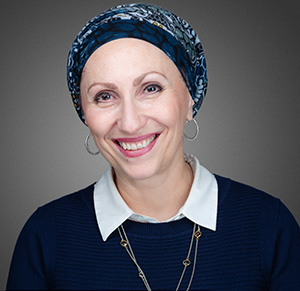
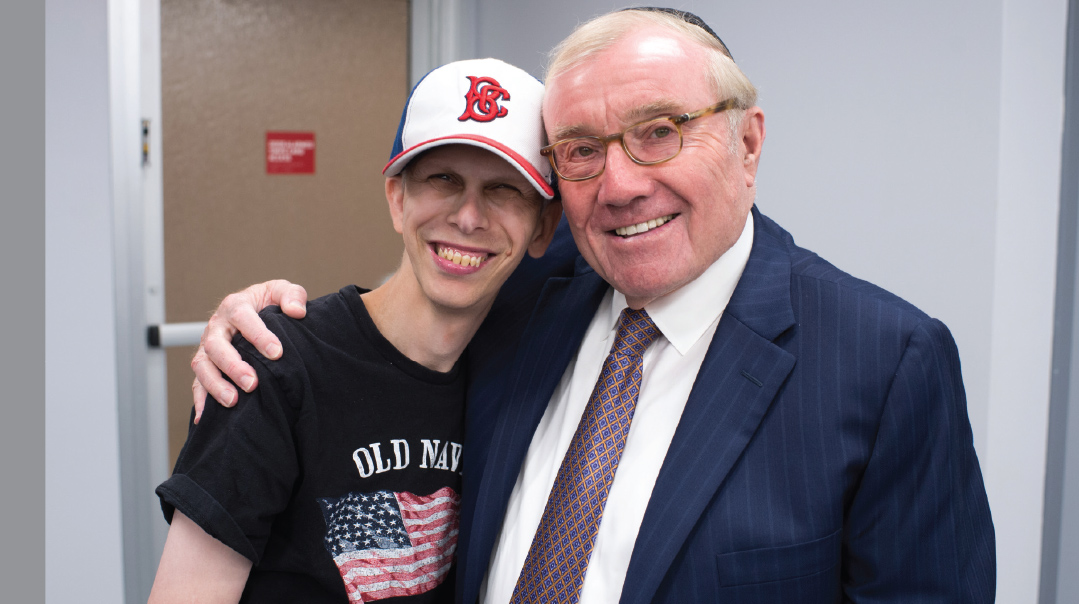
Moishe Hellman relives five decades of unconditional giving at Ohel
This child had stomach issues, which had resulted in the hospital stay. Since hospitalizations push off the 30-day countdown, it behooved OHEL to keep the child in the hospital in order to give them more time to find a Jewish home. “In the end, the child came back to OHEL, and the clock started ticking,” Moishe says. “We took an ad in the Jewish Press, which was the only frum newspaper back then. We showed a picture of a child with Down syndrome with the caption: ‘My name is Chaim. It may soon be Christopher…. Can you help me?’ A family who had their own child with Down syndrome came forward. They wanted their child to have a companion, and they adopted the boy.”
Moishe feels compelled to add that “St. Mary’s was incredibly respectful of Jewish customs. Once, when a child lost the bobby pin for his yarmulke, they called to ask if they could replace it with one of their own.”
When OHEL opened up shelters for victims of domestic abuse in the year 2000, some community members voiced their opposition.
“They told us we were encouraging divorce,” Moishe says. “Now, what really happens is that we allow women and their children to leave an abusive home and stay for up to four months to sort out their lives, and think about whether they really want or need to leave their marriages. We discuss how she would be able to manage on her own if she chooses to leave.”
Create a free account to keep reading.